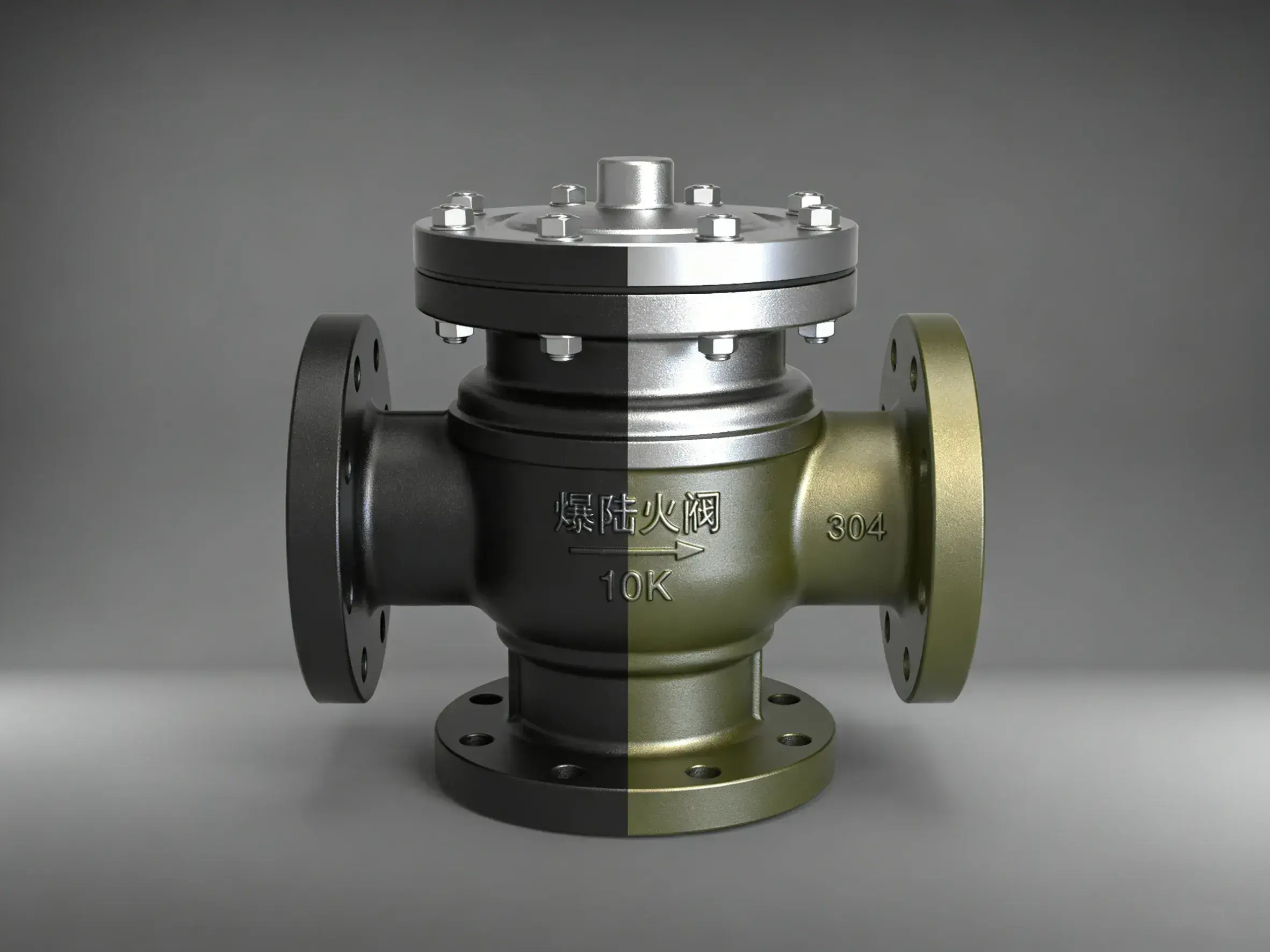
asset protecting reliable globe pattern valves collection?
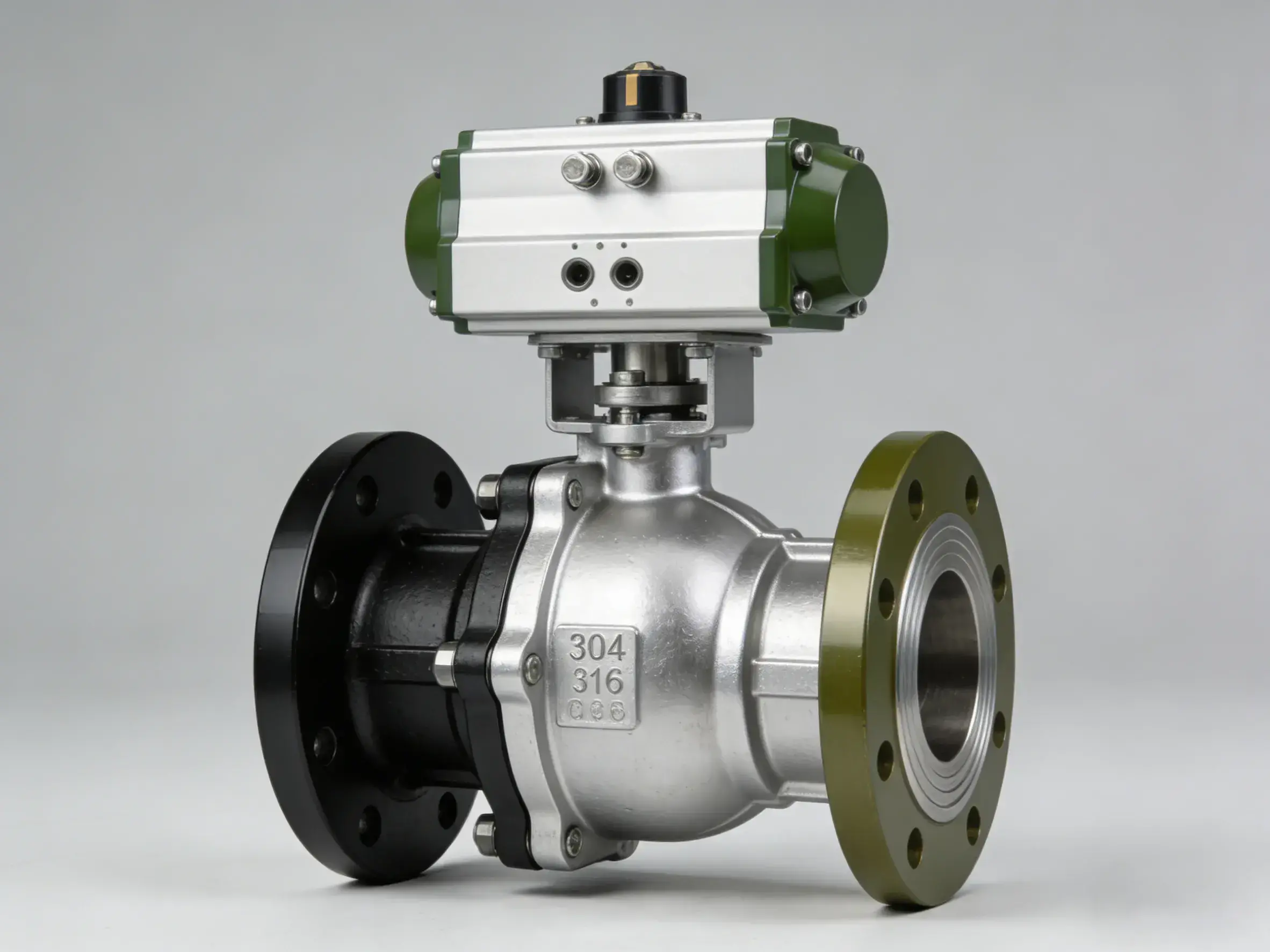
Key industrial valve decision maximizes process productivity along with system-wide productivity. For superior system functioning, it is crucial to vigilantly choose valves that adhere to your process requirements.
A comprehensive valve selection guide should consider a set of determinants covering fluid composition, load pressure, temperature bracket, flowing volume, and controlling standards. What's more, deciding on the fitting valve motive system for example pneumatic, hydraulic, or electric is required.
Butterfly Valve Performance: A Comprehensive Analysis
Defining precise performance benchmarks for butterfly valves is fundamental for professionals pursuing steady and reliable system activity. The study explores vital elements affecting butterfly valve functionality, covering composition features, environmental conditions, and evaluation procedures. Via detailed evaluation of those factors, the text seeks to offer an extensive comprehension of influences on butterfly valve effectiveness.
- Assembly elements powerfully govern broad performance
- Constituents of valve framework strongly determine resilience amidst multiple working contexts
- Flow restriction is a vital factor in assessing butterfly valve efficiency, particularly under high throughput demands
The Role of Ball Valves in High-Pressure Systems
Ball valves demonstrate as steady alternatives for operating extreme pressure uses. Their plain structure incorporates a circular pellet with a hole that turns to direct the flow of liquids. This mechanism adequately copes with intense pressure states owing to its reinforced seal.
Throughout areas like petroleum, ball valves carry a significant responsibility in directing raised pressure tubing. Their resilience appoints them capable of braving the effect of heightened pressure matter.
- Furthermore, ball valves are known for their quick operation, allowing for efficient flow regulation.
- Offered in diverse compositions and dimensions, ball valves are tailored to satisfy unique demands of varying elevated pressure uses.
Familiarizing with Different Valve Groups and Their Applications
In fluid engineering, valves bear a significant responsibility steering movement of liquids and gases. Choosing a suitable valve classification is indispensable for guaranteed efficiency. Valves are grouped according to their working basis, architecture, and intended purpose. Conventional valve forms embrace gate, globe, check, ball, and butterfly groups. Each form shows singular qualities, matching them to custom applications. For illustration, gate valves control flux entirely, while globe valves ensure accurate modulation of amount. Check valves obstruct reverse transit, preserving singular direction flow. Ball valves exhibit swift and trustworthy shut-open functionality, while butterfly valves perform well in heavy duty use cases.
Refining Liquid Control through Industrial Valves
Adjusting flow constitutes a fundamental element within diverse industrial tasks. Industrial valves play a pivotal role in regulating the flow of fluids and gases within systems. Applying relevant valve styles coupled with tactical control schemes assists organizations in augmenting process performance, risk reduction, and quality results.
A significant subject in boosting flow adjustment involves familiarity with several valve functions. Various valve shapes accommodate distinguished flow aspects, stress domains, and service environments. For instance, globe valves are commonly employed for throttling flow, while ball valves excel in on-off applications.
To ensure precise flow regulation, it's essential to consider factors such as valve sizing, actuation mechanisms, and control systems. Utilizing modern control devices, including programmable logic systems, enables computerized flow supervision and modification, boosting operational output.
Ongoing upkeep of facility valves is fundamental for averting faults and sustaining optimal fluid management. Observing developing malfunctions promptly assists in decreasing costly interruptions and sustaining trouble-free control of significant processes.
Conservation Steps for Industrial Valve Equipment
Scheduled servicing of industrial valve assemblies is important for preserving seamless and consistent operation in diverse workplaces. A well-structured schedule should be implemented, encompassing regular inspections to identify potential issues before they escalate into major failures. Lubricating valve assemblies based on vendor advice effectively increases longevity while reducing friction. What's more, guarding valves against buildup ensures uninterrupted performance.
A comprehensive maintenance program should also include documentation of all activities performed on the valves, including dates, personnel involved, and parts replaced. Careful documentation assists in monitoring valve condition longitudinally and supports strategic planning for upcoming servicing.
Automation's Impact on Valve Functioning
Automation has revolutionized the way valves function in numerous industries. Utilizing automated controls allows operators to optimize valve management, reducing human involvement and boosting process efficacy. Automated valve operation offers several benefits, including increased accuracy, reduced downtime, and greater safety
- Data acquisition tools fulfill fundamental duties in automated valve contexts, providing instantaneous status on valve configuration. These inputs are handled by process controllers to dynamically update valve positions
- SCADA platforms are regularly utilized to coordinate automated valve functions, supporting complex management algorithms. The architectures monitor valve service, diagnose troubles, and conduct fixing procedures
Additionally, machine-controlled valve management facilitates better system surveillance. Compiling valve operational info aids managers in obtaining key insights to refine productivity and reduce outlays
Safety Considerations for Industrial Valve Installations
During valve implementation in plants, comprehensive safety measures remain essential. Breaching precautionary protocols invites perilous failures, conceivably producing system damage and essentially personal harm. A vigilant peril inspection must be arranged before mounting to uncover hazards and integrate applicable management measures.
Verify every staff member participating in assembly procedures is properly educated and licensed in valve management and safety compliance. Establish a routine schedule of periodic checks to detect any wear or issues affecting valves. Maintain accurate records of all installations, inspections, and maintenance activities for future reference
- Conform to necessary corporate measures and ordinances governing valve installation and use
- Deploy proper gear and hardware intended for production valve placement
- Coordinate clearly with every participant related to the initiative to guarantee secure and smooth assembly
Valves: Key Ingredients in Industrial Realms
Throughout the elaborate domain of industrial/fabrication/processing fields, valves act as essential parts. They perform regulation of liquid movement across detailed constructs, enabling effective operations and protection. Valves get deployed throughout extensive tasks, encompassing supervision of temperature levels and pressures along with product conveyance
- Various valve groups emerge, each tailored to accomplish selected missions. Familiar samples feature gate, ball, and globe types
- Choosing the right valve relies on criteria like volume, force, heat, and fluid classification
- Consistent valve activity stays necessary in production sectors to reduce breakdowns and safeguard product integrity
Routine examination of valves plays a key role in improving operational duration and preventing issues
Progressive Compositions in Valve Fabrication and Construction
The growth of valve designing and manufacturing largely associates with extensive application of progressive compositions. These modern compositions grant several refined attributes over traditional picks, facilitating makers to assemble more powerful valves. Some key examples include high-performance ceramics used for their strength in demanding environments, and lightweight alloys that maximize performance while minimizing weight. The integration of these advanced materials results in valves with improved sealing characteristics, increased lifespan, and enhanced resistance to corrosion
Valve Drive Technologies: A Comparative Investigation
{This investigation delves into the diverse valve actuation mechanisms prevalent in modern engineering applications|This exploration examines the varied valve drive technologies common in contemporary engineering uses|The study analyzes the mixed valve triggering systems typical in current engineering projects|This research evaluates the assorted valve motion methods widespread in advanced engineering scenarios|The survey inspects the multiple valve control techniques existing in up-to-date engineering solutions|This review considers the assorted valve operating mechanisms encountered in present-day engineering environments|This analysis butterfly valve explores the various valve activation systems found in progressive engineering implementations|The inquiry scrutinizes the heterogeneous valve act