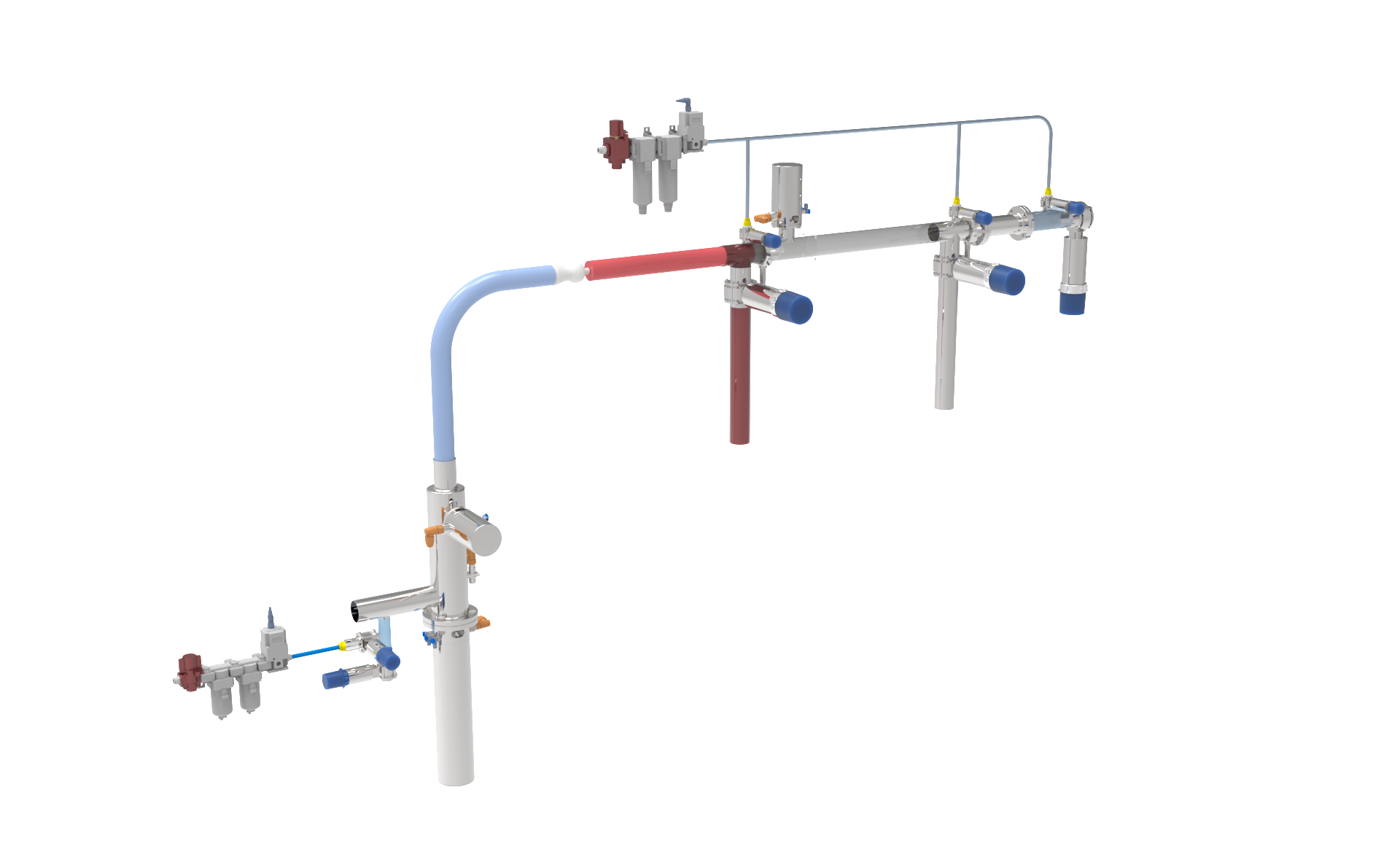
best practice aligned professional sanitary pigging setups for liquid foods?
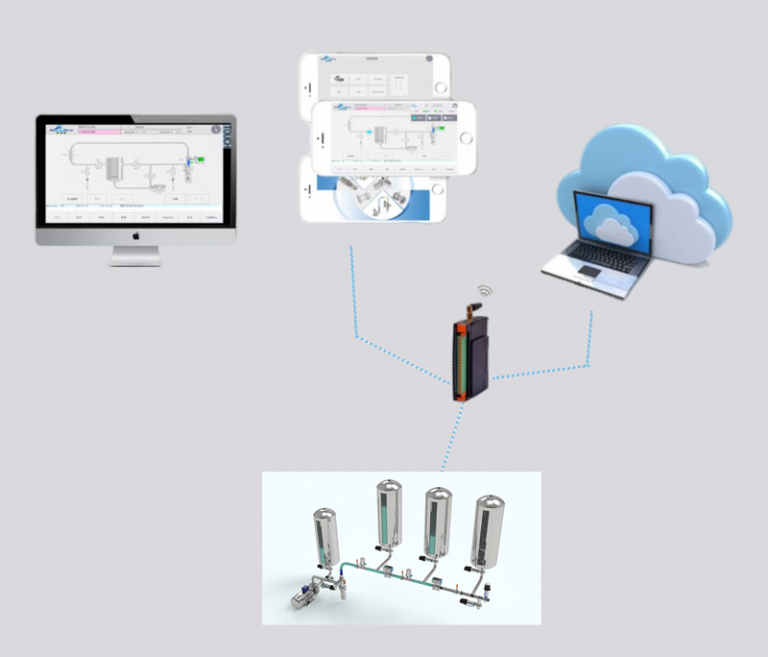
Opening Cutting-Edge pigging systems Inspection Tools
Hygienic Pigging Techniques in Food Production
Conducting cleanroom pigging practices assures maximum cleanliness coupled with risk mitigation. Such approaches are equipped with certified hygienic substances engineered to resisting strict sanitization processes over blocking pathogen proliferation.
- Creative configurations incorporate precision cleaning protocols, increasing operational efficiency.
- Compliance with regulations is fundamental for all cleaning protocol deployed in edible goods manufacture. Implementations are built to respect tight policies, ensuring the top-tier cleanliness.
Improving Pipeline Efficiency with Pigging Technology
Pigging solutions in piping delivers a dominant approach for raising pipeline throughput. With utilizing intelligent smart pig scheduling and strategic monitoring plans, field teams can reduce process halts, improve delivery capacities, and preserve infrastructure durability. Pigging discovers potential disruptions such as obstructions or deterioration but also advances efficient cleaning and surveillance routines. This strategic line operation considerably cuts budget outflows and adds to the complete trustworthiness of distribution channels.
Pipeline Cleaning Systems in Pet Food Production
Pipeline sanitation devices have become key components within the animal nutrition production industry. These systems support the safe and efficient conveyance of substances through ducts, controlling contamination. By successfully separating different elements or processing series, pigging systems benefit sustain the highest levels of grade and soundness in pet food production.
As well, pigging systems present a collection of benefits, consisting of reduced downtime for purification and care, improved line output, and scant raw material leak. The use of pigging systems in the end facilitates the production of risk-free, balanced, and dependable pet food.
The Importance of Sanitary Design in Pigging Systems for Pet Food
Within the development of pet food, achieving reliable sanitation is fundamental. Pigging systems are central in securing product excellence and protection by efficiently purifying pipelines between crafting stages. A well-designed pigging system utilizes features that minimize impurity risks, boost thorough purification techniques, and stop mixing hazards between batches.
- Integrating even sheens diminishes the potential for pathogen presence.
- Materials that are sterilizable and wear-resistant are necessary for protecting hygiene.
- Appropriate valves blocks the inverted motion of unwanted substances during cleaning and pipeline delivery.
Reliable pigging layouts also enhance manufacturing speed by limiting downtime for servicing. By competently expunging residues and blocking cross-contamination, these systems contribute to a more stable production process, decisively leading to the fabrication of trusted and top-notch pet food.
Pipeline Cleaning and Inspection
Sustaining the solidity of channels is important for secure and streamlined transportation of substances. Pigging systems furnish a efficient process to monitoring pipelines. A pig, also termed a pipeline apparatus, constitutes a motorized device moved through the pipeline to carry out various procedures. Cleaning pigs extract buildup and contaminants, while inspection pigs are designed with gadgets to detect impairments in the pipe walls. Regular pigging helps minimize pipeline breakdown, supporting safe and reliable performance.
- Multiple types of pigs perform, each configured for specific purposes.
- Pigging operations are powerful and can be administered efficiently.
- Adopting a pigging program can increase the endurance of pipelines and curtail maintenance costs.
Sophisticated Cleaning Technologies for Pet Food Processing
Pigging is established as a crucial method in the pet food industry, securing efficient and sanitary production.
State-of-the-art pigging technologies apply sophisticated apparatus to reliably scrub pipelines. This reduces the risk of mixing hazards between different pet food compositions, thereby upgrading product safety and quality.
What's more, advanced pigging apparatuses offer a range of benefits such as: * Refined cleaning and upkeep approaches * Lowered operational interruptions and halts * Superior cleanliness quality * Curtailed application of dangerous compounds
The integration of these technologies shows the pet food industry's commitment to generating uncontaminated and excellent goods for customers.
Barriers and Countermeasures in Pigging Systems for Pet Food Production
Pigging operations are important in the pet food production process, upholding efficient conveyance of materials and finished products. However, these systems face broad challenges. One recurring matter is blockages caused by material aggregation. Overcoming this problem involves deploying pigging tactics such as flexible pigs and fine-tuning ingredient compounds.
Another issue is the potential of contamination. Mitigate this, strict decontamination protocols need to be followed throughout the pigging system. This incorporates regular washing of pigging devices and execution of functional cleaning chemicals. Regular assessments are also essential to detect potential faults early on. By applying these solutions, pet food manufacturers can ensure the efficiency and trustworthiness of their pigging systems.
Value of Pigging Solutions in Pet Nutrition
Cleaning pig devices offer a variety of strengths for pet food manufacturers trying to enhance their production processes. These systems harness hydraulic pressure meant to propel an pig, a cleaning device, through the pipeline, reliably removing product residue and contaminants. Therefore, pigging systems facilitate to superior hygiene standards, shrinking the risk of cross-contamination and providing a safer final product for buyers.
- Additionally, pigging systems can amplify production efficiency by reducing downtime for cleaning and maintenance.
- What's more, they assist to curtail waste by limiting product loss during pipeline cleaning.
- Lastly, pigging systems can be built to fulfill the specific requirements of different pet food production lines.
Case Studies: Successful Implementation of Pigging Systems in Pet Food Plants
Pet diet production area is shifting to efficient and sanitary workflows for ensuring optimal product quality. Pigging systems have emerged as a effective solution to meet these demands, offering a trusted method for cleaning and auditing pipelines within pet food plants.
Several case studies display the results of implementing pigging systems in various aspects of pet food production.
- Enterprises like [Company A], [Company B], and [Company C] have declared significant improvements in sanitation, product trustworthiness, and overall operational output following the adoption of pigging systems.
- Gains such as reduced downtime for cleaning, shrunk cross-contamination risks, and improved traceability of product flow have been observed in these case studies.
Besides, pigging systems contribute to green reduction by advancing resource utilization and minimizing waste generation.
Selecting the Right Pigging System for Your Pet Food Pipeline
Concerning upholding the safety standards of your pet food network, a reliable pigging system is critical. Pigging systems maximize efficiency by eliminating product residue and curbing cross-contamination between batches. Selecting the fitting system depends on a variety of features, including your operational size, product characteristics, and current infrastructure.
- Evaluate the size of your conduits to ensure a matching pig design.
- Evaluate the fluidity of your pet food products to pick the appropriate pig material and frequency of operation.
- Promote systems that contain features like controlled launching and retrieval for heightened user safety.