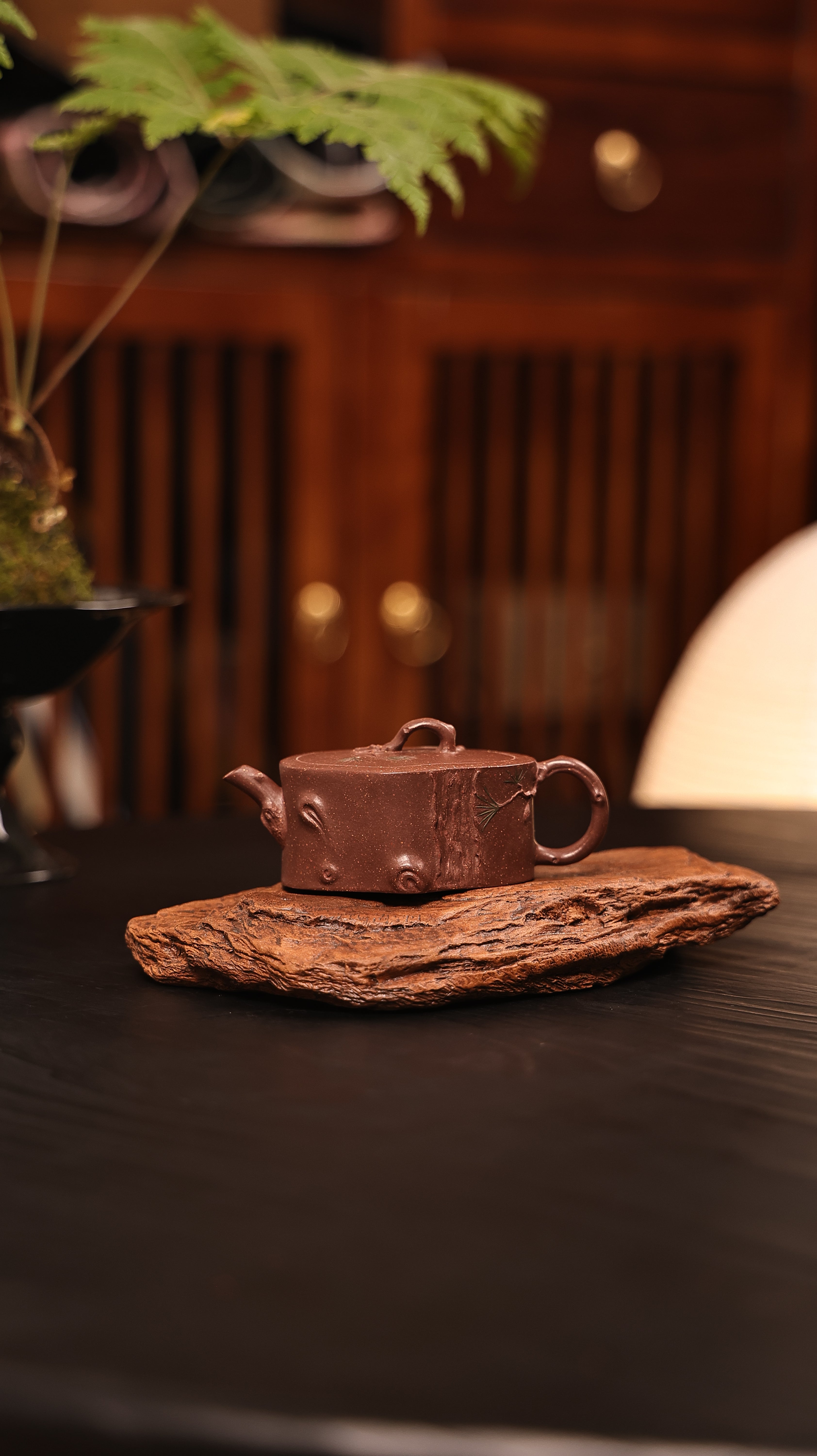
brand elevating purple clay ergonomic pot?
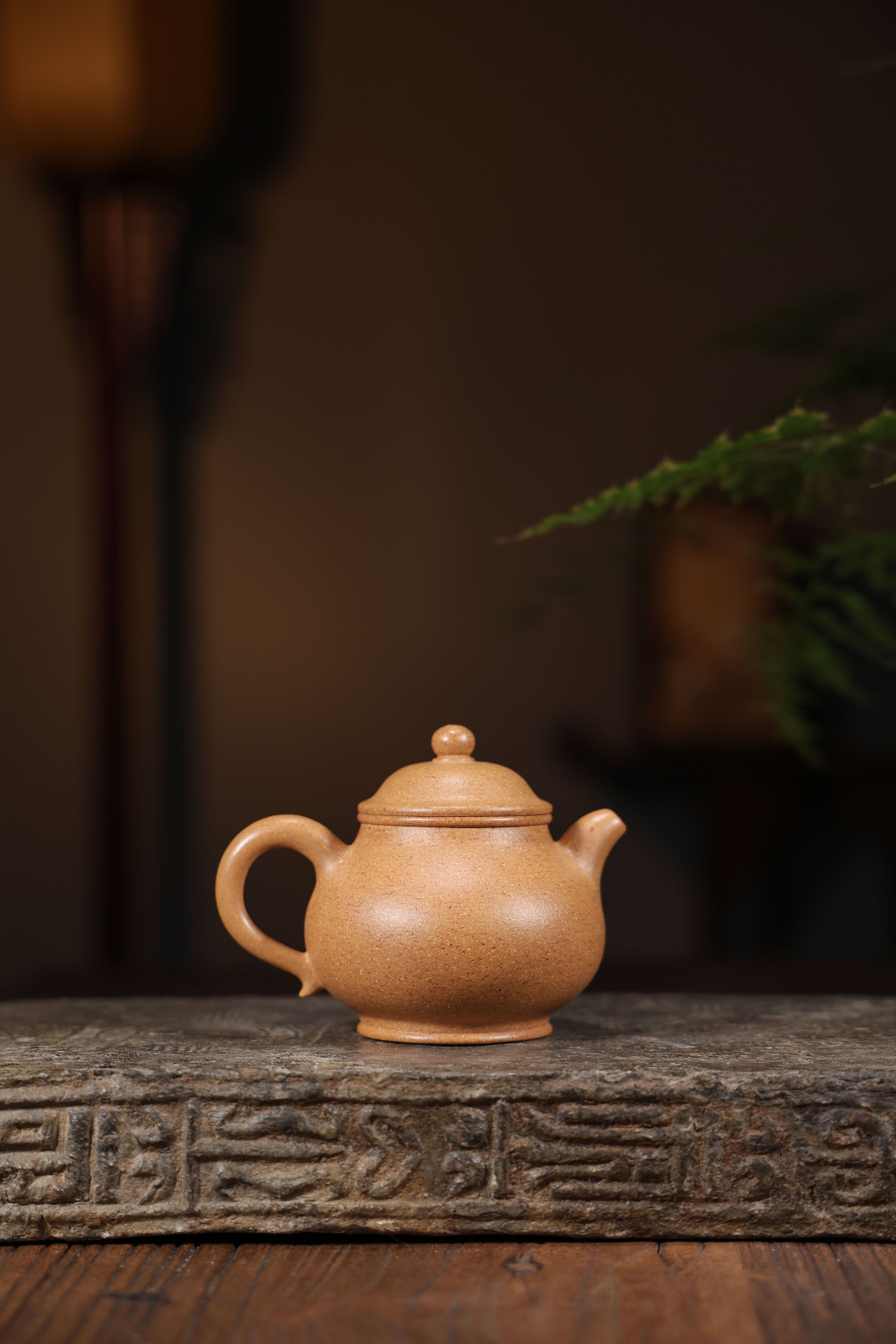
Opening such in-depth inspection regarding Eysing Tzu Sha clay vessels presents an intriguing blend of artistry alongside practicality.
宜兴 Zi Sha ceramic vessels enjoy a unique allure for collectors globally. These outstanding clay vessels, native from the singular Yi-hsing district near Jiangsu region, China, are more than just tea gadgets; they are regarded as works creative beauty and heritage significance. This finely graded clay, known recognized as Zisha, imparts a gentle flavor in the tea, and the elaborate designs, often reflecting traditional Chinese designs, add to their essential value. Acquiring a genuine Yixing Zisha teapot offers a satisfying journey, demanding careful inspection and an cognizance of the diverse factors influencing the uncommonness.
Examining Yixing Teapots
Issing ceramic containers boast a fascinating record deeply interwoven with Chinese customs. Originating in Yixing, Jiangsu province, these jugs are crafted from a unique, porous purple material found only in that notable location. Their origins began during the Ming era, with master sculptors refining the processes over periods. Distinct types exist, including the classic Hexiang (resembling Zisha Teapot crab shells), Zhuni (red-brown hue), and Duan Ni (stone-studded) – each with distinctive properties. The price of an Yixing earthenware pot isn't solely based on its size or embellishment, but also on the potter’s reputation, the terracotta's quality, and the pot’s age and condition. Devotees often seek out older examples, believing they impart the character of the beverage brewed within them over time, further adding to their distinction.- Crab Shell Ceramic Pots
- Red-Brown Ceramic Pots
- Stone-Studded Earthen Pots
Zisha Teapot Mastery: Craftsmanship & Approaches
Exclusive fabrication of Zisha teapots represents a zenith of Chinese ceramic skill. Accomplished artisans employ antique techniques, often passed down through lineages, to unlock the full expression of this unique clay. Methods involve meticulous sculpting by hand, often combined with the binding method, followed by precise kilning at incredibly extreme temperatures in wood-fired kilns. Decorating is equally crucial; creators utilize unprocessed clay colors and may incorporate sculpting work to depict intricate scenes or patterns, demonstrating a profound familiarity of the material’s properties and voice. The product teapot isn't merely a vessel for tea, but a testament to a valuable cultural tradition.
Eastern Tea Containers: One Synopsis to Yihsing 紫砂
Unveiling the world of Ancient teapots frequently leads with Yixing Zisha. These singular clay brewing tools are crafted from a unique type of clay discovered only in the Yixing region of the Jiangsu zone province. Known for its remarkable reddish-purple hue and superior aspects, Zisha clay delivers a mild flavor to the brew and improves with age, growing into a cherished artifact. Curating Yixing Zisha ceramics is more than just possessing a lovely object; it’s a honoring of custom and mastery.
Venturing into that Ceramics: Sincerity & Elevation
Engaging in the arena of Yixing Zisha pottery can be both rewarding, but requires a keen eye. Authenticity is paramount; many imitations exist, often ingeniously assembled. Learning about traditional firing styles, identifying substance properties, and the inscriptions of trusted potters is completely vital. Furthermore, realizing the particulars of the evolution pattern – influenced by aspects such as cultural bearing and the preservation of the article – is important to successful gathering.
- Studying baking background.
- Approaching advisors for certification.
- Assessing exchange patterns.
An Art of Creating with a Clay Teapot
Unique singular allure of a Zisha teaware lies not just in its attractive appearance, but also in its important impact on the taste of the libation. These historic clay pots, sourced from distinctive regions of China, possess a intrinsic porosity that mildly interacts with the fluid and leaves, imbuing the drink with a gentle character. Mastering the method requires a persistent approach, understanding how the terracotta responds to different thermal states and tea types, ultimately leading to a actually rewarding sipping adventure.
Safeguarding Exclusive Gem
Proper care of your Yixing container is essential to protecting its longevity. These exceptional teapots, crafted from exclusive Yixing clay, form a gradation over decades that magnifies their appeal. Systematically rinse the inside with pure water, avoiding soap, and never use coarse scrubbing tools. Supplementary gentle polishing with a smooth cloth can assist in taking off patches. Allow your vessel to totally dry before each serving
Unveiling Zisha: Reasons Particular Teapots Stand for Exceptional
The well-known appeal of Yixing teapots emerges from the distinctive properties of Purple clay, harvested solely near Yixing, the Memorable Chinese region. This outstanding clay, classified as ferruginous mineral , possesses a unusual combination of ingredients that, as years pass, absorb the aroma of the tisanes it embraces. This yields a one-of-a-kind fragrance for each brew container, transforming it a merit far beyond its original price and resulting to their valued status among gatherers.
Unearthing the Fitting Chinese Ceramic Vessel: A Yixing Clay Introduction
Venturing into the world of Yixing clay teapots can feel challenging, but understanding the foundations is essential to acquiring a esteemed piece. This model of clay, sourced largely from the Yixing region, Jiangsu Province, is known for its special feel and ability to augment the aroma of the brew over use. Evaluate the design, the shade, and the appearance; a true Zisha teapot is more than just a container; it's a beautiful creation and a representation of traditional culture. Look for the symbol of the fabricator for clues to its roots and potential cost.