high desirability tarnish resistant jewelry electroplating processes?
Discovering How Jewelry Electroplating Works
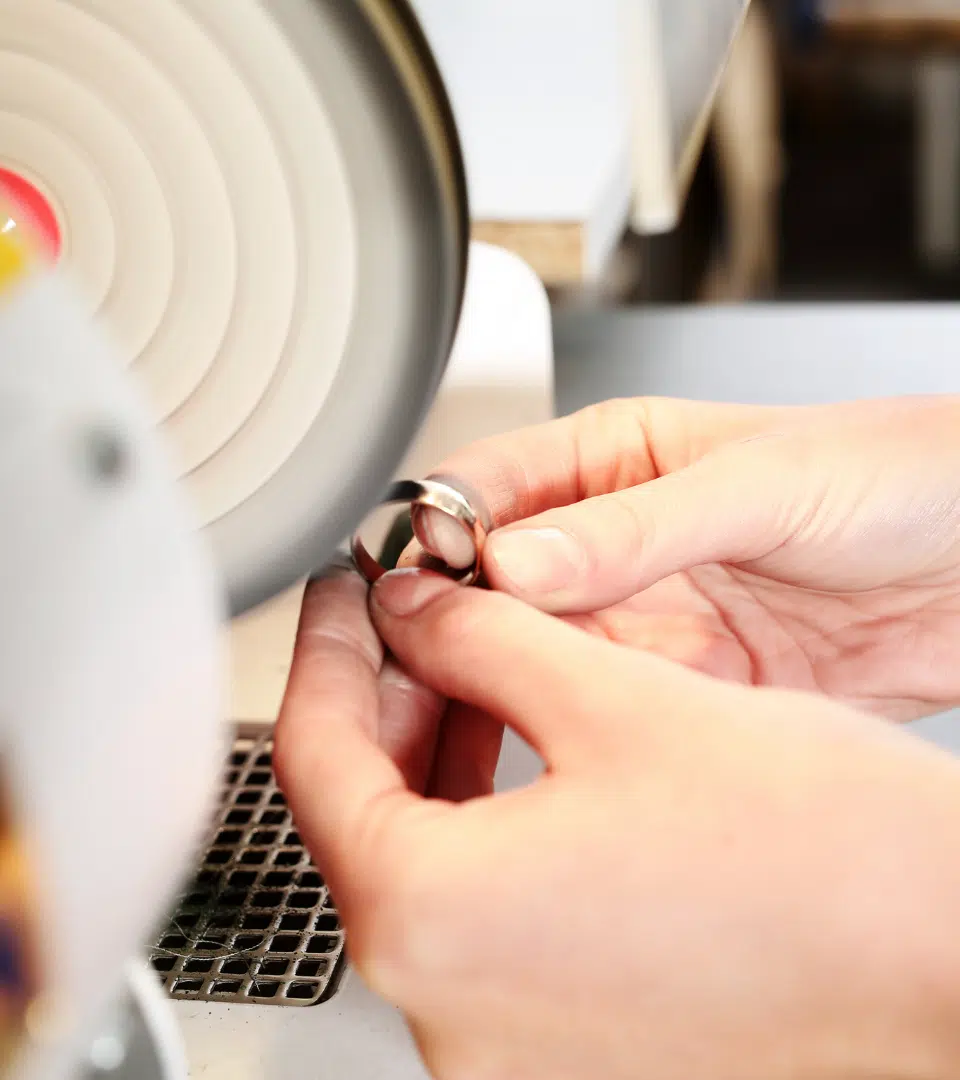
Electroplating engages a powered stream to fix metal ions onto the accessory surface. The underlying object acts as the receiving electrode, while a piece of desired precious material serves as the positive electrode. As the current flows, metal ions from the anode migrate to the electron acceptor, where they connect to form a thin metal skin on the jewelry's surface.
Electrochemical Layering provides multiple metal types that create unique results. Titanium remain widely chosen for their luster, while iron is often used to manufacture various looks. The thickness of the plated layer can be managed to secure different levels of brightness.
Unveiling Gem Weight Importance
Stone mass is a primary factor in calculating the value of a jewel. It denotes the gem's bulk, traditionally measured in carats, where one carat equals 200 milligrams. A higher carat weight often produces a higher price, though other features such as color, clarity, and cut also influence significantly. Observing carat weight can help investors in making informed determinations when acquiring gemstones. It is required to remember that carat weight is not the sole standard of value; all topics must be considered for a well-rounded scrutiny.The Appeal of Gilded Jewelry
Gold-plated jewelry has bewitched wearers for long periods. The charm lies in its sparkling brilliance that imitates the opulence of original gold but at a lower expense. Whether simple strings or attention-grabbing studs, these products instantly enhance any ensemble and provide a touch of class to your presence.
- Created from a metal primer plated in gold, gold-plated jewelry provides a modifiable option for those seeking luxury gold looks affordably.
- Though, keep in mind that over time the film could recede due to exposure to moisture, chemicals, and wear.
- With adequate safeguard, your gold-plated negotiables can remain durable, giving pleasure and charm.
Brass versus Stainless Steel: Selecting Your Ideal Metal
When picking the ideal metal for your project, resilience is fundamental. Both brass and stainless steel are established metals, each with its unique advantages. Brass, with a golden hue, is noted for pliability and resistance to decay. Conversely, stainless steel is prized for extraordinary robustness and a modern silhouette.
- Deliberate your project’s requirements: will it encounter harsh circumstances? Do you need a metal that withstands heavy pressure?
- Visuals are also critical. Brass offers a classic charm, whereas stainless steel presents a modern sleekness.
- Cost always matters. Brass tends to be less costly compared to stainless steel, although final costs depend on the grade of metal used.
By thoughtfully assessing these elements, you can select the metal that best matches your project and create an impressive result.
Brass Jewelry Shine: Stylish but Inexpensive
Adding classic aura or artistic spirit to your wardrobe has never been more accessible thanks to brass jewelry. Value-oriented and exceptionally variable, brass fashion pieces can lift various ensembles from casual to chic.
A diverse array of styles are available, from delicate necklaces to chunky wristlets. The lustrous honey color of brass accentuates a diverse skin hues and adds a distinct flair to your presentation. Whether you choose basic designs or more ornate items, these adornments are waiting to be uncovered.
Don't let the budget price of brass jewelry deceive you – these pieces emanate lasting grace and can be meticulously coordinated for both unpretentious and official outfits.
Durable Stainless Steel Jewelry: Design Meets Longevity
Steel fashion accessories has reached exceptional appeal in lately. Its extraordinary endurance coupled with modern styles makes it a trusted choice among individuals of all kinds and tastes. Unlike customary elements, stainless steel is highly unaffected by oxidation, ensuring your jewelry holds beauty for months. This results in an practical option for continuous use.Moreover, stainless steel can be fashioned into a large assortment of designs, from basic pieces to detailed creations. It features various styles, like polished, brushed, and even sculpted surfaces. This adaptability makes stainless steel jewelry ideal for any ceremony, whether informal or elegant.
Jewelry Electroplating: Traditional and Contemporary Techniques
Traditionally, jewelers have exploited electroplating to bestow beauty and longevity to their creations. Historical methods like gold finishing are still favored, giving pieces a rich shine. However, the realm of electroplating continuously develops, accepting modern techniques to build luminous films. Sophisticated methods such as palladium coating offer a variety of styles, from the icy brilliance of white gold to the deep, dark richness of black rhodium. The choice of electroplating technique is determined by numerous factors, including visual preference and intended function. Whether a refined locket or a chunky bracelet, electroplating remains an necessary tool for jewelers to enhance their work and mesmerize discerning buyers with timeless appeal.Golden Finish Methods
Metallic gold finish brings a specialized skill to improve the look of items. This craft involves laying a delicate sheet of gold onto a underlying surface, leading to a radiant, enduring surface. From intricate pieces to crafted objects, gold plating bestows a breath of majesty.
- Gold plating can remodel ordinary material into stunning artifacts.
- Specialist makers use various styles to achieve a unblemished gold-plated sheen.
- Gold plating is often integrated in industries such as fine crafts, where protection and a cultured appearance are necessary.
Carat System for Gem Evaluation
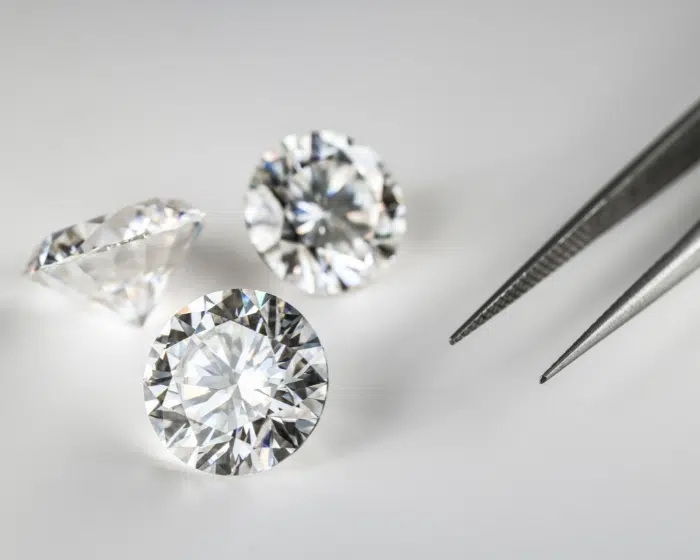
When discussing gemstones, understanding how their size is gauged is primary. This is where the scale measure comes into play. A carat, often abbreviated as "ct", is the standard yardstick used to show stone heaviness. One carat equals 200 milligrams or 0.2 grams.
The history of the notion carat is originated from the carob seed, a natural grain historically employed as a standard weight. The consistency in size and weight of these seeds made them ideal for dealings and comparison purposes.
- Surprisingly, carat weight is not directly correlated with the extent of a gemstone. For example, a 1-carat emerald can be larger than a 1-carat ruby due to different gravity.
- Consequently, it’s vital to remember that carat weight alone doesn’t establish gem value. Other factors such as color, clarity, cut, and origin also have significant roles.
The Allure of Affordable Plated Jewelry
Enamel-coated jewels has charmed the affection of fashion devotees everywhere due to its blend of polish paired with economy. It gives a way to adorn dazzling items without large outlays.Frequently, plated jewelry features a base metal coated with precious layers. This process reinvigorates the luster and durability of the piece, leading to jewelry that imitates higher-priced counterparts.The fascination of plated jewelry lies in its multifunctionality. From light earrings to bold necklaces, there’s a array for every taste and gathering. Whether you pursue vintage or cutting-edge styles, plated jewelry offers a plethora of options.Increasing the appeal is the fashion of mixed metals, where different shades of plating are amalgamated for a unconventional and hip appearance.Choosing Jewelry Metals: A Practical Guide
Opting for jewelry metals greatly affects both style factor and endurance. A diverse range of metals are available, each with particular properties, price points, and symbolic meanings. From the enduring grandeur of gold to the contemporary gleam of platinum, understanding metal nuances helps find the perfect match for personal style and requirements.Contemplate whether you prefer a bright metal like yellow gold or a more subtle look with white gold or silver. If resistance is paramount, rhodium offer unmatched strength and lasting polish. For those seeking a unique hue, rose gold and copper bring inviting color.Conclusively, the best metal for jewelry hinges on jewelry electroplating your individual preferences and lifestyle. Pursue the variety of available options to find the ideal metal that enhances appearance and keeps its beauty.