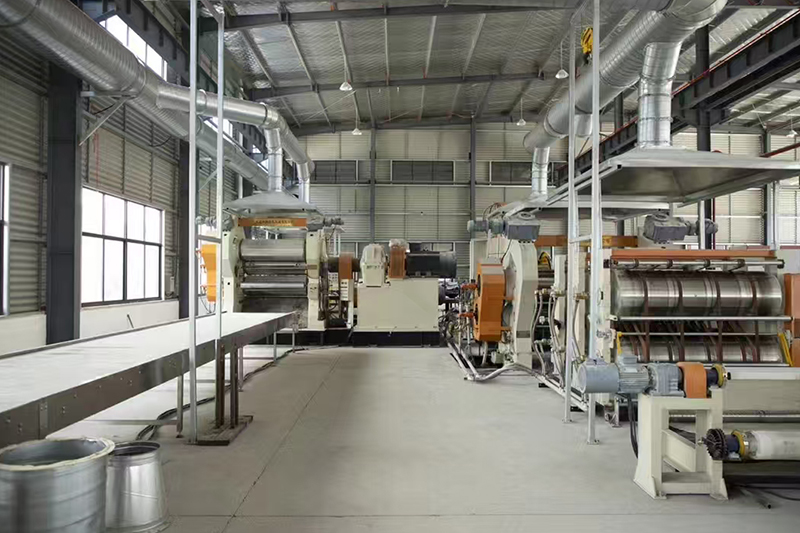
High-performance EPDM elastic sheeting solutions?

Unprocessed elastomer strips, sourced from the Hevea brasiliensis wood, display a singular compound of characteristics that transform them important across a varied collection of businesses. Their inherent pliability enables them to snap back to their original profile after significant distortion, a central factor in many implementations. Furthermore, these sheets manifest exceptional load-bearing capacity and good withstanding to wearing, even when exercised to oscillating conditions. Consequently, you’re apt to observe them used as vibration mitigators in apparatuses, overlay for tanks and holders, and even as a element in specific fastenings. The aptitude to adapt their hardness through various mixing methods empowers for tailoring to fulfill very defined criteria. Beyond manufacturing purposes, they're also preferred in creative projects and even diverse outdoor goods, displaying versatility that few other substances can equal.
Electrical-resistant Sheeting Layer: Caloric & Electrical Functionality
Any impact of the electrical-resistant material sheet relies crucially on its cohesive caloric and conductive elements. Usually, these slabs are manufactured from components like neoprene, EPDM, or nitrile rubber, each demonstrating a particular balance of opposition to heat transfer flow and voltage current. Thermodynamic capability is calculated by values of thermal conduction, lower numbers expressing greater containment efficacy; a strong board will significantly reduce heat loss or gain, maintaining reliable temperatures. Electrical insulation is foremost for defense in numerous purposes, and the rubber’s dielectric force – the ultimate voltage it can withstand before breakdown – is a fundamental facet to recognize. Modifications in slab thickness and rubber composition explicitly shape both powers, offering a adjustable method to match specific engineering needs. Furthermore, environmental situations like heat and humidity can minimally disturb the performance, which forces careful scrutiny during choosing.
Nitrile Pad Cover: Petroleum Products & Reactant Shielding Information
Electing the proper nitrile copolymer layer for your use focuses fundamentally on learning its impressive, yet complex, resistance to various oils and chemicals. Nitrile membranes thrive as a general-purpose approach, particularly when facing petroleum-based oils, hydraulic fluids, and many aliphatic hydrocarbons. However, degradation can occur with prolonged exposure to certain chemicals; therefore, thorough testing and careful consideration of the specific chemical environment are vital. This guide explores common chemical effects and provides a basic understanding – remember, consulting a full chemical affinity chart specific to your nitrile sheet's formulation is always endorsed for critical sealing functions. For instance, while remarkable with mineral oils, certain esters and ketones may present complications, potentially leading to swelling or reduced flexibility. Always ascertain specifications before implementing!
Chemical-Based Panel Robustness & Flexibility Detailed
Neoprene rubber sheets offer a remarkable amalgamation of capabilities, making them exceptionally correct for a wide variety of implementations. This synthetic material is renowned for its outstanding strength to degradation from agents, elements, and exposure energy. Consequently, this membranes maintain their limberness and functionality even when placed to harsh circumstances. Beyond their environmental resilience, neoprene’s fundamental elasticity and competence to withstand load without unmodifiable deformation help notably to its total hardiness. Whether you need a protective layer for factory equipment, a gentle padding for athletic gear, or a water-repellent barrier, a neoprene rubber cover provides a trustworthy fix.
Determining Between Organic vs. Artificial Rubber Membranes
When analyzing malleable cover options, many individuals face the choice of which substance appropriately meets their demands: natural rubber or neoprene. Natural caoutchouc layers are sourced directly from gum flora, and offer exceptional pliability and pulling strength, while simultaneously bearing a relatively eco-friendly status. Conversely, neoprene, a synthetic composition, is fabricated via a involved chemical process. This results in a material that's inherently invulnerable to wear from oils, chemicals, and UV exposure – qualities often absent in natural latex-like. Ultimately, the better selection centers on the specific use and the environmental variables encountered.
Selecting the Optimal Rubber Slab
Choosing across natural, nitrile, or neoprene rubber coatings can feel similar to a puzzle, but recognizing their individual properties makes the determination far more clear. Natural rubber affords excellent elasticity and opposition to abrasion, making it well-suited for applications where bendability is key; however, it is not hold up effectively with oils or solvents. Nitrile rubber, on the other hand, is known for its oil together with chemical immunity, a fantastic alternative for automotive or industrial locales. Finally, neoprene offers a particular blend of traits, including reasonable oil accompanied by weather protection, coupled with impressive flexibility – a universal option for challenging applications.
Top-Tier Thermal Sheet Sheet Services
Contending With the ever-increasing demand for dependable thermal capacity, our innovative high-operating heat-resistant material board services provide exceptional defense across a expansive range of fields. These specially-formulated formulations offer superior resistance to acute temperatures, corrosive exposure, and material stress, ensuring robust service even in critical environments. Though you need to defend critical equipment, keep peak processing temperatures, or decrease current leakage, our configurable membrane overlay offerings provide a reasonable and highly-effective approach. In addition, our support panel is promptly available to help you in selecting the optimum alternative for your distinct expectations.
NBR Composite Overlay for Rigorous Industrial Functions
Synthetic Rubber nitrile layers are generally recognized within the industrial sector for their exceptional withstanding to a broad spectrum of oils, fuels, and chemicals. These robust products provide a fundamental barrier in environments where engagement with hydrocarbons and similar substances is commonplace. Beyond simple protection, nitrile coatings offer superior compliance allowing for use in applications requiring tight seals and custom shapes. From the truck industry to fabrication plants, nitrile’s flexibility makes it a top choice. The unique blend of properties ensures longevity and reliable performance, minimizing downtime and reducing overall sustainment costs. Consider nitrile material blend membranes when trusted protection is a priority.
Neoprene Rubber Film: Ecological Resistance and Bendability
A fundamental principal advantages of polychloroprene rubber coatings lies in their remarkable environmental resistance. These boards demonstrate excellent protection against atmospheric gases, humidity and a diverse range of chemicals, making them just right for both indoor and outdoor activities. Furthermore, neo-rubber maintains its pliability even under acute temperatures, allowing it to tolerate inconsistent conditions without cracking or losing its structural integrity. This combination of durability and flexural capacity makes synthetic rubber layers a steady choice across numerous industries, including transport and fitness goods.
An Exhaustive Report to Rubber Sheet Materials: Natural, Nitrile, Neoprene
Deciding On the suitable rubber board for your task can be surprisingly complex. This guide dives into three popular choices: natural rubber, nitrile rubber, and neoprene rubber, highlighting their exclusive properties. Natural rubber, derived from rubber trees, offers excellent elasticity and tensile robustness, making it suitable for applications like vibration damping and seals. However, it’s vulnerable to oils and weathering. Nitrile rubber, a synthetic copolymer, boasts superior resistance to oils, fuels, and chemicals – a critical factor in automotive and industrial settings; choosing this option presents a reliable solution where exposure to hydrocarbons is anticipated. Finally, neoprene, a closed-cell rubber, shines with its impressive combination of elasticity, weather resistance, and insulation capabilities, enabling it perfect for wetsuits, gaskets, and protective gear, providing a sound barrier against myriad environmental factors. The optimal choice ultimately depends on the definitive demands of the projected environment.
Picking Compound Sheet Process: Points Controlling Efficiency
When obtaining a natural film for any function, it’s crucial to scrutinize several key factors that subsequently influence its complete performance. The type of formula, for instance, dictates defense to reactants, thermal levels, and light light. Dimension plays a major Nitrile rubber sheet role in endurance and capability to withstand force. Also, the {surface|top|outer