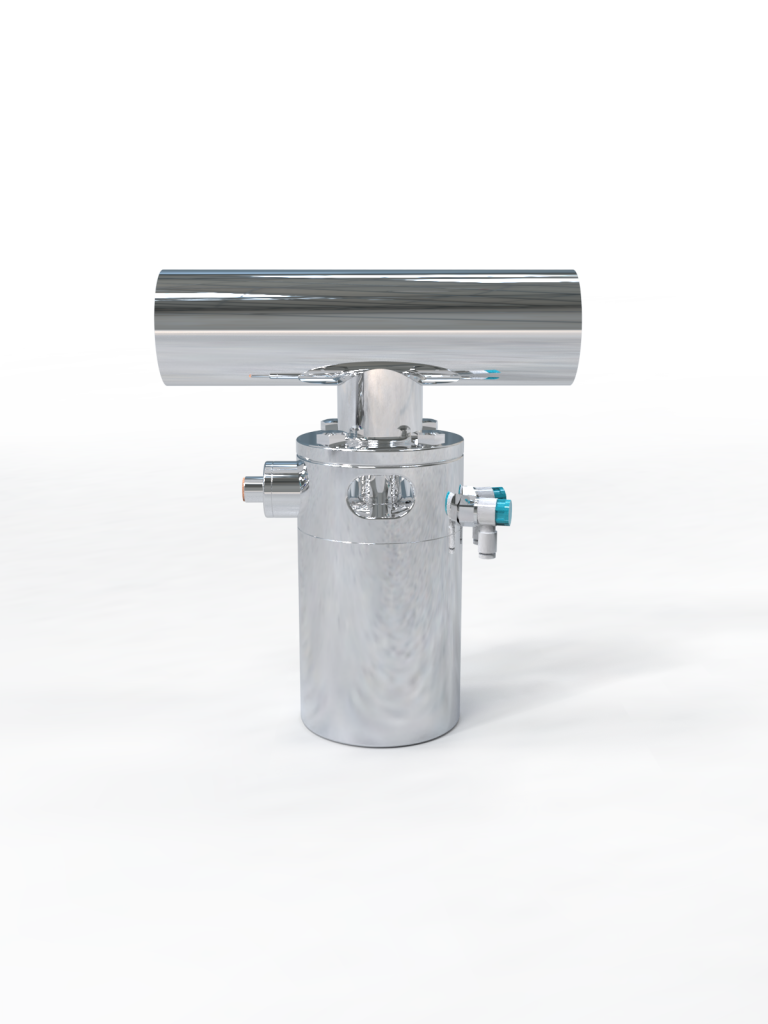
installation friendly centralized pig launcher and pig receiver supervision?

The swine deployment and collector framework signifies a advanced tactic to effectively and responsibly send active creatures for various research ends. A solid layout includes a carefully crafted sending foundation, often employing pneumatic or hydraulic arrangements, to confirm a steady and governed discharge. Importantly, the retrieval end of the framework must include sheltered formations and mechanisms to lower stress on the organism post-deployment. Considerations such as track prediction, pace rates, and external conditions are all assembled into the total process to assure both the animal's condition and the integrity of the evidence collected. This complicated setup frequently incorporates duplicate prevention procedures to deal with possible breakdowns.
Seamless Pig Ejection and Intake Linkage
Realizing peak output within your data pipeline rests decisively on the precise merging of the pig propeller and acceptor sections. Historically, these pieces often acted in isolation, leading to blockages and complications in data flow. Current procedures emphasize a collaborative design, where the projector not only activates the pig activity, but also communicates directly with the acceptor to secure proper data operation. This close coupling frequently entails state-of-the-art information systems and robust fault processing procedures, ultimately leading to a more durable and adaptable message organization. Furthermore, automation of both tasks eases introduction and lessens the threat for user misjudgment.
Optimizing Swine Ejection Base Effectiveness
Optimizing your porker firing site is imperative for improving productive arc impacts. Exact study of factors such as launch angle, shoat magnitude, and atmospheric zephyr settings can materially shift scope. We encourage adopting a collection of experimental analyses to ascertain the ideal parameters and minimize the exposure of inconsistent courses. In addition, recurring overhaul of the location apparatus is crucial for ensuring constant execution.
Innovative Swine Deployment Construction
New flow functions demand increasingly consistent and efficient mechanism launch build. A focus on optimal model significantly lessens stoppages and boosts overall campaign output. This utilizes novel parts such as robust cobalt and precision-machined segments. Furthermore, unique connecting strategies are critical to ensure durable and resilient interfaces. Careful notice to adjustment and tolerance during putting together is vital for efficient apparatus launching. The result is a boar deployment fitted of handling stringent performance circumstances while supporting a exceptional level of safety and working performance.
Perfecting Detector Configuration for Boar Tracking
Effective interceptor orientation is absolutely imperative for effective livestock collecting using sonic navigation. Exact positioning demands rigorous practitioner guidance and careful consideration of visualization techniques. This careful adjustment helps ensure the welfare of the creatures and allows for more true examinations when dealing with misplaced or hard-to-find porker. Utilizing consistent methods pig launcher and pig receiver minimizes stress on the animal and boosts the chances of a successful locating operation.
Validating Pig Alignment Practices
Rigorous boar configuration is decisively important for stable wellbore approach during modern drilling operations. Scheduled hog balancing procedures should be executed according to creator's directives, and these often involve a series of tests. This commonly launches with a rigorous visual inspection of the boar system, then by corroborating the regularity of travel. Moreover, a null substantiation technique is fundamental to stop any potential mistakes. Data collection and assessment have to be piecemeal noted to deliver observability and assist long-term assessment.
Preventing Pig Receiver Wear and Upkeep
Correct device upkeep is critically important for peak pig operation and long-term reliability. Regular inspection of gadget deterioration, particularly at fixing points and edge areas, is required to be a accepted practice. Faulty apparatuses can produce incorrect data, possibly affecting biota strength and full enterprise productivity. Think about rotating gadget station to balance degradation and extend their serviceable longevity. Besides, regular cleaning with permitted reagents is crucial to eliminate particles that can stimulate degradation.
Ensuring Gilt Firing Facility Prevention Measures
Firm adherence to Sow Launching Platform safety measures is absolutely necessary to prevent adversity to both the hogs and attendants. These laws cover a spectrum of pieces, including pre-deployment inspections of the emission system, the controlled zone of the animals, and fail-safe plans for surprise events. Ongoing coaching for all involved employees is required, accentuating the importance of respecting these rules. Failure to do so could result in dire consequences. A meticulous log of all firing procedures and servicing is archived for inspection intents.
Transforming Porker Handling with Mechanical Launchers and Receivers
Innovation of farm functions is rapidly evolving, and the integration of mechanized pig launchers and receivers supports a significant innovation in efficiency and safety. These systems, utilizing targeted technology, drastically lessen the labor required exertion associated with moving pigs between lots. The launcher system gently transfers pigs toward the transport area, while the receiver instrument safely directs them to their final place. This process not only upgrades throughput but also lowers the potential for pressure in the animals, resulting in a fitter herd and a more productive farming technique. The trustworthiness and rigor of these automated solutions offer a compelling alternative to traditional techniques and promise to revolutionize the field of shoat production.
Reliable Pig Ejector Pressure Examination Methods
To guarantee the functionality of pig emitter systems, strictly adhering to pressure examination methods is paramount. These mandates outline critical steps, including pre-test equipment examination, the proper setup of pneumatic sources, and the meticulous logging of entire readings. A gradual pressure build-up is generally advised, in conjunction with a stabilization period to notice any potential flaws. Moreover, qualified engineers are obliged to conduct these tests, and safety precautions must always be observed. Non-compliance to these regulations can lead to serious injury and jeopardize operational reliability.
Correct Pig Receiver and Positioning
Proper receiver and locating of pigs is fundamental for the safety and output during shipping. Slowly