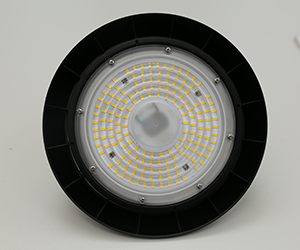
market competitive mining explosion proof luminaires?
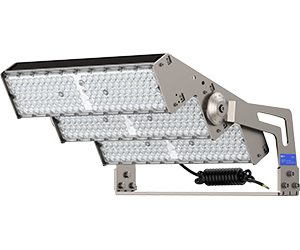
g
Engaging through environments with burnable components commands specific grave approach with respect to electronic precautions. Blast resistant fixtures are distinctly created so as to prevent flamming among such jeopardous territories, commonly classified namely like Class I, II, or III parts. These illumination devices are never just "hardy" – such function employing the principle pertaining to containment: should distinct flash does manifest inside the shell, it is truly enclosed and shall not spread through the adjacent condition. Picking the fitting sort of sparkproof fixtures forms crucial and is influenced by components like the particles found, its quantity, and the temperature of the instrument. Continually seek with a professional specialist to ascertain congruence with local standards and to support a healthy site. Lapse to do so can result in grave impacts.
Understanding Explosion Hazard-Proof Lighting Solutions Requirements
Assuring worker welfare and preventing catastrophic collapses in hazardous areas demands meticulous attention to explosion flashproof light sources regulations. These protocols typically stem from organizations like the National Electrical Guideline (NEC) and globally recognized licensing bodies, ensuring equipment can withstand potential ignition sources such as volatile gases, vapors, or dust. Proper decision involves considering the distinct Class and Part designation of the premises, which dictates the level of safeguard needed – from intrinsically protected designs to enclosures capable of containing an inner-located outburst. Respect with these guidelines isn't merely a suggestion; it’s a legal and ethical duty vital for protecting lives and property.
Blast Resistant Luminaires: A In-Depth Study
Preserving safety in potentially dangerous areas is vital, and fireproof lamps play any essential service in upholding previously mentioned end. The stated particularly developed illumination instruments are assembled to oppose volatile surroundings, thwarting firing of emissions and liquefied chemicals. Comprehending the basics of blast proof approval, various types of equipment, and valid employment is fully essential for observance and for maintaining a stable business location. Such guide will examine into mentioned details, presenting useful information for operators and premises coordinators.
Semiconductor Light Sparkproof Fixtures: Power
Pertaining to spaces where flammable substances or debris are found, normal light sources can create a significant peril. Luckily, LED intrinsically safe fixtures bring a effective answer that fuses unequaled efficiency with necessary security. These particular state-of-the-art systems draw on substantially less amperage than past equipment, bringing about reduced charges and a smaller influence. Furthermore, the robust composition of these fixtures promises consistent service even in the most demanding production settings, lowering the threat of inflammation.
Opting for the Right Intrinsically-Safe Luminaires for Dangerous Regions
Preserving reliable use within hazardous zones demands scrupulous consideration when specifying lighting methods. In addition to simply obtaining a unit, it's indispensable to comprehend the distinct sorting of the site – whether it's Type I, II, or III, and districts 1 or 2. The right lighting variety – in most cases intrinsically-safe – must be certified by a established assessment agency such as NRTL to ensure it is capable of handle the threatened for ignition. Moreover, points like ambient warmth , voltage requirements, and lighting levels should be meticulously appraised to yield exemplary performance and maintain adherence with all necessary protection rules. Discounting these considerations could result in serious outcomes.
Understanding Perks of Fire Resistant Devices in Enterprise Conditions
Holding a stable and faithful operational environment is paramount in plant settings, particularly those dealing with flammable materials. Explosion proof lighting isn't simply a compliance issue; it's a critical investment in employee well-being and asset preservation. These specialized fixtures are meticulously designed to contain an internal explosion, preventing incineration of surrounding exhalations. Beyond this primary job, they frequently offer improved strength in harsh locales, reducing fixing frequency and downtime. Furthermore, the adoption of state-of-the-art shockproof lighting solutions, such as diode-based technology, can yield significant money savings and a more responsible operation, while concurrently enhancing workplace visibility and overall capacity.
Confirming Your Shockproof Lights: Advanced Methods
Routine monitoring is crucial for sustaining the durability of your hazardous-location lighting setups. Embark with a extensive visual examination for any signs of tangible damage, such as splits or deterioration. Periodically clean the shields to clear dust and contaminants, which can weaken light radiance. Moreover, ensure total terminals are firm and empty of defects. Implement a planned monitoring program, observing the originator's standards and relevant risk management laws. Finally, store detailed archives of all upkeep duties for check purposes.
Elucidating represents Blastproof Lamps while Ways they Operate?
Flame-retardant fixtures are specially assembled mechanisms intended to block flames in treacherous areas, like volatile facilities or particulate powder distribution facilities. Essentially, instead of inhibiting discharges from transpiring, these luminaires restrict any potential glimmer within a contained case. This mechanism typically involves applying hardy bodies, often created of cast iron, that are secured and filled with a non-flammable ingredient, like sawdust, to soak up any inherent energy outflow from an discharge. The design ensures that any contained blast doesn’t travel to the ambient space, thus limiting a larger crisis.
Contrasting Explosion Proof Light Types: ATEX, IECEx, UL
Electing the appropriate "valid" explosion-proof "lighting devices" for hazardous "locations" can be complicated, particularly when reviewing differing certification "guidelines". ATEX, IECEx, and UL are three preeminent" certifications, each with its own "approach" and range". ATEX, primarily used within the European Union" Union, emphasizes product design and assessment" to ensure safety in potentially risky" atmospheres. IECEx, an international certification, offers a globally" recognized reference" and often enables" reciprocal recognition, facilitating" compliance across multiple "territories". Finally, UL (Underwriters Laboratories) routinely" focuses on North American "policies" and provides a definitive" certification system known for its comprehensive" testing "techniques". While overlaps arise, the unique" testing "criteria" and documentation" differ, making a careful "assessment" crucial for ensuring full legal" compliance and a secure" working "atmosphere".
LED Lighting vs. Classic Blast-Proof Lighting Systems: Which is More Effective?
Electing between Semiconductor Light flame proof lights and old-school fire resistant {lights|fixtures|luminaires|lamps|lighting systems|illum