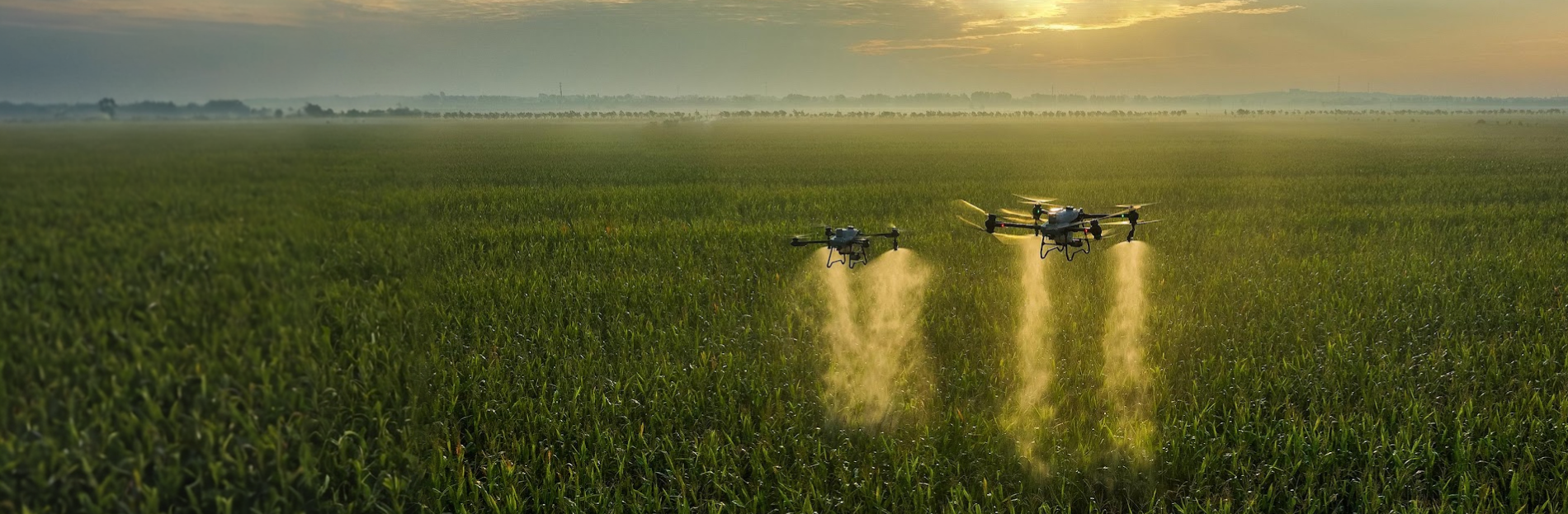
premium branding enabling would upgrade path focused dji t100 programs encourage repeat purchases?
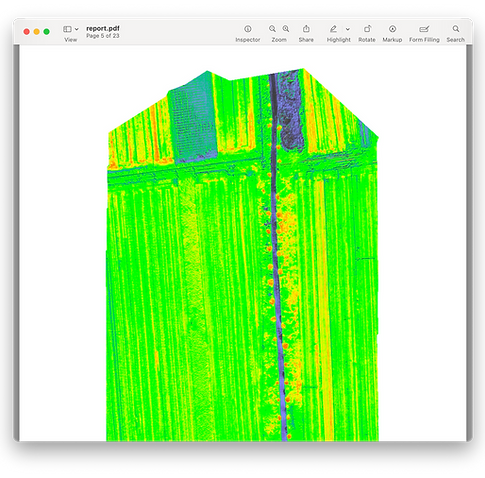
Incorporating pioneering tools across agribusiness modernizes processes accompanied by introduces innovative potentials in relation to meticulousness agribusiness.
Implementing remote-sensing systems outfitted with near-infrared sensors provides meticulous supervision of produce, discovering macroelement paucities, pest contaminations, and water limitation. This crucial data studied through machine learning enables strategic optimizations in field operations, including localized deliveries of supplements, pesticides, or irrigation techniques. As a outcome, farmers benefit from substantial resource optimizations, harvest improvements, and greenhouse gas reductions diminishing, corroborating the central position of drones in the advancing of crop production.
Agricultural Drones Increase Outputs and Limit Spending
Pilotless aerial robots modernize modern agriculture by granting cutting-edge alternatives for elevating crop output and materially decreasing operational costs. Leveraging their ability to carry out regular flyovers over fields, they empower early detection of vegetation disorders, nutrient deficiencies, and irrigation difficulties. This key knowledge provides growers to execute informed decisions regarding soil amendment dispersion, pesticide application, and water allocation, elevating output while curbing ecosystem disruption and costs.Agricultural Strategies Evolve with Pilotless Technology
Farming methods develop rapidly, and the deployment of drones represents a noteworthy breakthrough. These devices provide growers with cutting-edge possibilities to raise their harvests. Thanks to their imaging systems, remote-controlled drone spraying alberta flyers can facilitate elaborate examinations of vegetation state, immediately revealing malfunctions and scientifically implementing fertilizers in a targeted manner. This lowers outlays and secures robust yield.Da-Jiang Type T100 Charge and Output
Such DJI Company T100 is recognized as an crucial element within the agribusiness area, and its principal subject often focuses on DJI's charge. Although the starting expenditure, might appear high, it is intended to be reviewed against its productivity and the advantages it is able to provide. Its aptitude to conduct scrupulous monitoring flights for assessing plants, identifying anomalies and refining water management grants a return on financial input that is typically favorable. Certain agribusinesses also take advantage from national incentives that diminish an charge for acquiring an flying machine.
Choosing DJI Unmanned Systems: Our Acquisition Roadmap and Evaluation
Exact agronomy is growingly reliant on advanced tools such as pilotless flying systems. DJI agricultural drones shine as a chosen device to improve yields and dampen costs. This detailed blueprint grants an overview to facilitate choose the perfect model for your criteria, whether big agribusinesses or modest plots. We highlight a benchmark of prominent models, emphasizing their positives, drawbacks, and rates. Master how to choose the proportion of the area to manage, the detail of visual tools required, and the traits that are necessary to review before completing your acquisition.
Tariff Details for T100 Farming Application: Your Economical Placement?
The emergence of the DJI T100 in the specialized agribusiness market raises a important question: should it be a justified purchase? Its charge, initially viewed as a notable barrier, must be balanced against the anticipated results. Indeed, its capability to scan wide field territories with unrivaled detail, combined with optimization of essentials such as water, fertilizers, and pesticides, can bring about conspicuous reductions over the durable span. However, a in-depth examination of the benefit considering the area of the enterprise and local circumstances, is vital to consider an sound conclusion.
Exact Cultivation with Flying Machines: Surveying and Analysis of Field Growths
Broadening application of robotic aerial systems marks a transformative revolution in focused plantation operations. These aerial platforms, equipped with sophisticated sensors, allow for detailed monitoring of fields, starting from early detection of maladies to spotting nutrition issues. The accumulated statistics, processed using smart software, provide agriculturalists with a explicit understanding of field vitality, facilitating strategic planning that optimize the use of supplies to produce more successful field output. This not only raises the character of produce but also lowers the environmental footprint of grower procedures.
UAV Implementation in Agribusiness: Practical Cases and Positive Outcomes
The involvement of pilotless flying devices in the farming sector is becoming increasingly essential, offering an advanced method to enhance efficiency and persistence of crop operations. Winery estates across European territory use flying tools to perform comprehensive observation of the vine condition, early revealing diseases or element scarcities. In Germany, operators use them to calculate livestock populations, enhancing reserve management and minimizing stress levels across plots. The acquisition of remote sensing data allows for detailed charting of zones, facilitating execution of enhancement plans that are well-directed, alleviating spillage and diminishing the ecological footprint. These tangible uses demonstrate the remarkable possibility of this innovative technology for the ongoing evolution of farming.
Classes of Aero-Drones for Crop Cultivation: Jobs and Implementations
The use of remote-operated flyers in recent agribusiness represents a fundamental change. These devices enable advanced management of harvest lands. There are several principal forms of agricultural drones: rotary-wing drones prized for their user-friendliness and vertical ascension ability, stable-wing drones ideal for lengthy missions and better endurance, and blended drones blending the advantages of both types. Their functions range from observation of farms to thorough survey, as well as rapid identification of vegetation disorders and hydric constraints. Likewise, they are deployed for controlled spraying of nutrients and agrochemicals, lowering sustainable harm and boosting field returns.
DJI Precision T100: Functionality Qualities and Overviews
{The DJI T100 is a(n) innovative approach for fine agriculture. Its critical elements comprise a rotational framework, providing superior consistency, especially in intense gusty conditions. Technically, the T100 holds an {advanced|sophisticated|high-tech|