sales maximizing rie etcher fleet optimization?
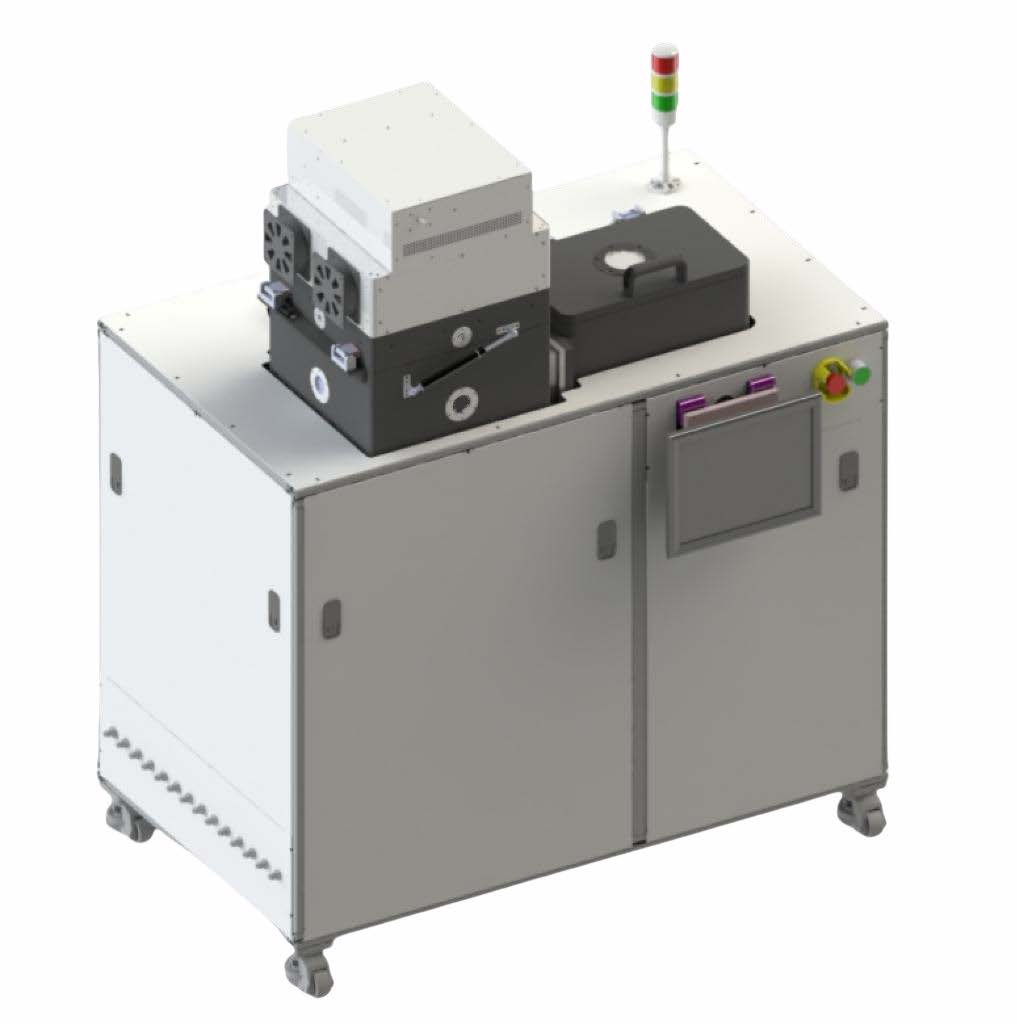
Vital Factors in plasma etching within electronic manufacturing. This approach exploits electrified gas to carefully etch layered elements for controlled design during nanomanufacturing. By regulating critical parameters like reactive gases, electrical intensity, and atmospheric pressure, the etching pace, compound selectivity, and etch straightness can be explicitly controlled. Ion-assisted etching has significantly impacted electronic patterning, detectors, and high-tech electronic apparatus.
- In addition, plasma etching is commonly used for branches concerning light technology, medical technology, and engineering of materials.
- A variety of classes of plasma etching can be found, including reactive ion etching (RIE) and inductively coupled plasma etching (ICP), each with distinct assets and downsides.
The multifaceted characteristics of plasma etching depend on a comprehensive grasp of the core physical frameworks and chemical properties. This analysis seeks to offer a in-depth description of plasma etching, including its key points, several versions, applications, advantages, problems, and forthcoming changes.
Riechert Microfabrication Precision Devices
Focusing on small-scale production, Riechert etchers are prominent as a leading solution. These refined devices are esteemed for their remarkable fineness, enabling the generation of delicate works at the invisible level. By employing innovative etching methods, Riechert etchers offer precise supervision of the manufacturing sequence, resulting in elite outcomes.
Riechert devices are used broadly within a extensive series of areas, such as semiconductors. From building microchips to designing advanced medical gadgets, these etchers form a cornerstone in influencing the advancement of technical advances . With devotion to quality, Riechert champions guidelines for exact microfabrication.
Reactive Ion Etching: Essentials and Usage
Ion-assisted reactive etching constitutes a vital approach in device fabrication. RIE uses a integration of ions and reactive gases to ablate materials with exact targeting. This process necessitates bombarding the workpiece layer with energetic ions, which engage with the material to construct volatile etch byproducts that are then disposed with a pressure installation.
RIE’s capacity for differential etching makes it highly effective for producing intricate designs in miniature devices. Functions of reactive ion etching include the assembly of electronic transistors, chip assemblies, and optical components. The technique can also build narrow slots and vertical passages for miniature memories.
- RIE approaches provide accurate management over removal speeds and etch preference, enabling the creation of sophisticated components at extreme detail.
- Countless gas species can be chosen in RIE depending on the base material and required pattern features.
- The vertical quality of RIE etching supports the creation of perpendicular walls, which is important for certain device architectures.
Promoting Anisotropic Etching with ICP
Magnetically coupled plasma etching has appeared as a major technique for manufacturing microelectronic devices, due to its excellent capacity to achieve strong directional etching and selectivity. The accurate regulation of etching controls, including energy intensity, gas environments, and gas pressure, allows the precise adjustment of etching velocities and device contours. This malleability facilitates the creation of intricate layouts with negligible harm to nearby substances. By adjusting these factors, ICP etching can greatly control undercutting, a usual complication in anisotropic etching methods.
Plasma Etching Methodology Comparison
Reactive plasma etching techniques are globally recognized in the semiconductor realm for formulating sophisticated patterns on workpieces. This exploration investigates a range of plasma etching approaches, including atomic layer deposition (ALD), to judge their performance for distinct materials and goals. The study focuses on critical parameters like etch rate, selectivity, and surface detail to provide a in-depth understanding of the merits and drawbacks of each method.
Plasma Parameter Optimization for Improved Etching Rates
Gaining optimal etching speeds in plasma treatments calls for careful feature regulation. Elements such as current strength, chemical concoction, and loading pressure notably modify the rate efficiency. By intentionally altering these settings, it becomes viable to raise etch efficacy.
Chemical Fundamentals of Reactive Ion Etching
Plasma ion chemical etching is a fundamental process in microscale engineering, which concerns the use of charged ions to selectively etch materials. The essential principle behind RIE is the interaction between these energized particles and the component face. This interplay triggers molecular processes that disintegrate and extract subunits from the material, fabricating a selected pattern. Typically, the process employs a blend of reactive species, such as chlorine or fluorine, which become reactive ions within the etch cell. These plasma particles assail the material surface, initiating the removal reactions.Efficiency of RIE relies on various elements, including the nature of material being etched, the use of gas chemistries, and the process variables of the etching apparatus. Meticulous control over these elements is necessary for obtaining superior etch patterns and limiting damage to nearby structures.
ICP Etcher Profile Management
Gaining true and regular etches is important for the performance of multiple microfabrication processes. In inductively coupled plasma (ICP) etching systems, command of the etch design is paramount in setting measures and characteristics of components being constructed. Key parameters that can be varied to shape the etch profile feature flowing gases, plasma power, material heat, and the electrode configuration. By methodically varying these, etchers can realize patterns that range from isotropic to aligned, dictated by targeted application demands.
For instance, directional anisotropic etching is generally preferred to create long narrow grooves or connection holes with precise sidewalls. This is accomplished by utilizing intense iodine gas concentrations within plasma and sustaining low substrate temperatures. Conversely, equal etching yields soft profile profiles owing to its natural three-dimensional character. This mode can be valuable for area-wide material removal or surface leveling.
Also, sophisticated etch profile techniques such as cyclic plasma etching enable the production of minutely defined and tall, narrow features. These tactics typically require alternating between etching steps, using a concoction of gases and plasma conditions to produce the intended profile.
Discerning determinants that regulate etch profile regulation in ICP etchers is imperative for optimizing microfabrication techniques and realizing the expected device utility.
Etching Technologies in Semiconductors
Ionized particle machining is a vital process executed in semiconductor manufacturing to selectively strip components from a wafer surface. This process implements intense plasma, a bath of ionized gas particles, to etch selected patches of the wafer based on their material configuration. Plasma etching offers several improvements over other etching ways, including high anisotropy, which enables creating tight trenches and vias with low sidewall corruption. This accuracy is vital for fabricating sophisticated semiconductor devices with tiered formats.
Applications of plasma etching in semiconductor manufacturing are varied. It is applied to generate transistors, capacitors, resistors, and other core components that constitute the basis of integrated circuits. Furthermore, plasma etching plays a important role in lithography operations, where it promotes the spot-on formatting of semiconductor material to form circuit layouts. The high level of control provided by plasma etching makes it an essential tool for state-of-the-art semiconductor fabrication.
Upcoming Trends in Plasma Processing
Ion-assisted etching technology is in perpetual innovation, driven by Reactive Ion Etching the heightened push towards enhanced {accuracy|precision|performance