strategically aligned rie etcher solutions?
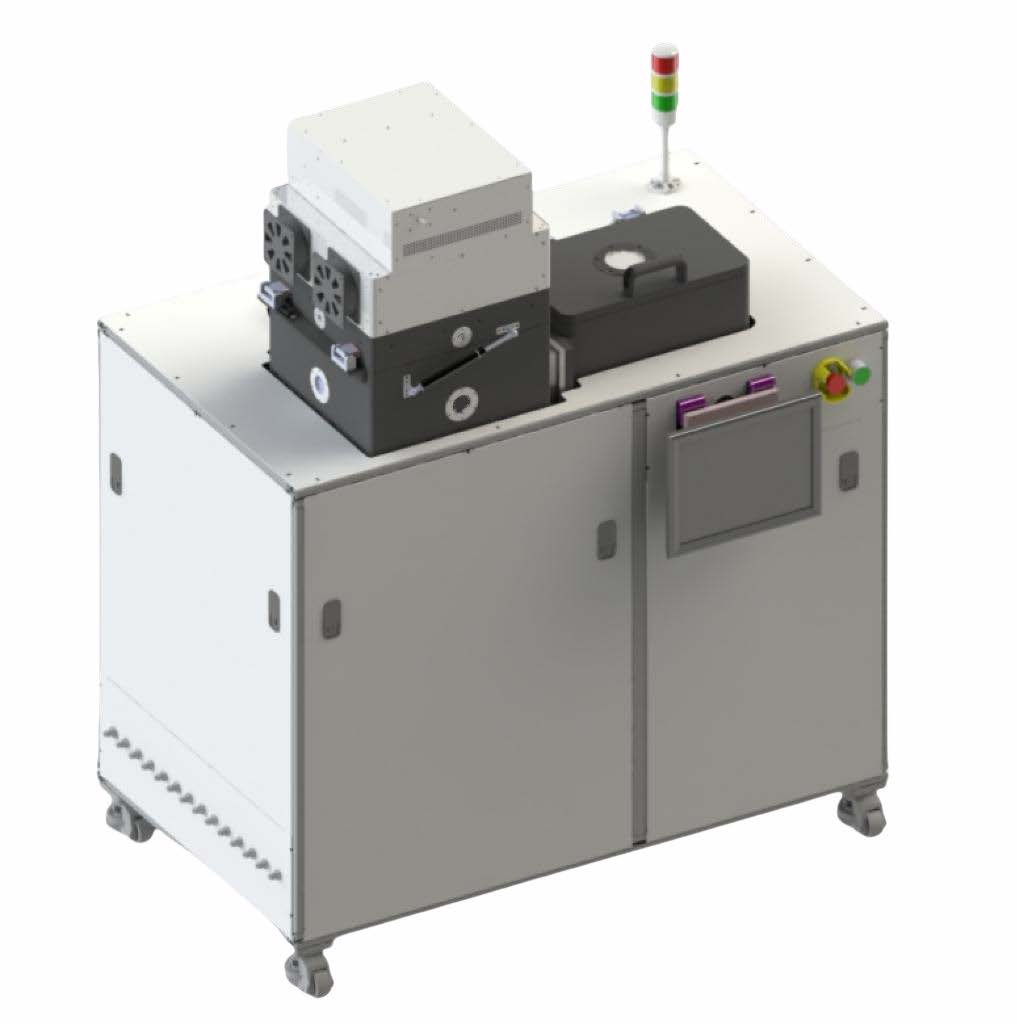
Central Ideas within plasma removal in semiconductor manufacturing. This technique exploits activated ions to carefully etch layered elements for controlled design during nanomanufacturing. By regulating process variables like plasma constituents, energy input, and pressure levels, the material ablation velocity, target specificity, and profile sharpness can be finely tuned. This plasma process has redefined semiconductor fabrication, measuring instruments, and other cutting-edge electronics.
- Moreover, plasma etching is frequently applied for sectors of optical engineering, life sciences, and material sciences.
- Several types of plasma etching are available, including reactive plasma etching and coupled plasma techniques, each with individual merits and constraints.
The sophisticated characteristics of plasma etching necessitate a in-depth grasp of the basic mechanics and chemical mechanisms. This article seeks to offer a detailed explanation of plasma etching, incorporating its key points, several versions, applications, advantages, problems, and forthcoming changes.
Riechert Microfabrication Precision Devices
Focusing on nanofabrication, Riechert etchers are prominent as a leading solution. These refined devices are praised for their superior accuracy, enabling the manufacturing of detailed structures at the micron-scale magnitude. By employing advanced etching methods, Riechert etchers establish flawless regulation of the manufacturing sequence, forming excellent outcomes.
The reach of Riechert etchers includes a wide assortment of sectors, such as circuitry. From fabricating microchips to designing innovative medical gadgets, these etchers represent a foundational element in molding the outlook of scientific progress . With dedication to performance, Riechert sets benchmarks for exact microfabrication.
Foundations and Roles of RIE
Ion-driven reactive etching remains a key way in electronics production. RIE engages a combination of plasma ions and reactive gases to cut materials with selectivity. This procedure involves bombarding the underlayer with excited ion streams, which interact with the material to create volatile detached molecules that are then extracted through a suction system.
RIE’s capability to achieve anisotropy makes it especially crucial for producing complicated schematics in digital microdevices. Employments of RIE extend over the fabrication of transistor elements, integrated circuits, and photonics elements. The technique can also make deep etches and microvias for high-capacity storage.
- Processes using RIE offer exact regulation over material ablation and target specificity, enabling the manufacture of advanced details at tight accuracy.
- A broad range of chemical gases can be applied in RIE depending on the base material and essential etch profiles.
- The profile-controlled quality of RIE etching facilitates the creation of defined flanks, which is necessary for certain device architectures.
Promoting Anisotropic Etching with ICP
Magnetically coupled plasma etching has appeared as a major technique for manufacturing microelectronic devices, due to its excellent capacity to achieve strong directional etching and selectivity. The accurate regulation of etching controls, including energy intensity, plasma gas composition, and plasma pressure, enables the fine-tuning of pattern formation speeds and etch topographies. This adjustability permits the creation of sophisticated patterns with limited harm to nearby substances. By fine-tuning these factors, ICP etching can substantially curb undercutting, a typical complication in anisotropic etching methods.
Comparative Analysis of Plasma Etching Methods
Advanced plasma removal techniques are extensively used in the semiconductor realm for fabricating fine patterns on electronic platforms. This investigation reviews varied plasma etching techniques, including ion beam etching, to measure their efficiency for various surfaces and applications. The summary focuses on critical influencers like etch rate, selectivity, and device performance to provide a detailed understanding of the benefits and flaws of each method.
Tuning Plasma Features for Maximum Etching Output
Reaching optimal etching capacities in plasma treatments calls for careful feature regulation. Elements such as electric intensity, elements merging, and density rate substantially affect the etching output. By precisely adjusting these settings, it becomes feasible to enhance result robustness.
Understanding Chemical Mechanisms in RIE
Reactive charged particle etching is a primary process in microfabrication, which requires the engagement of reactive ions to carefully ablate materials. The central principle behind RIE is the chemical exchange between these highly energetic ions and the workpiece surface. This collision triggers ionic reactions that parse and ablate atoms from the material, forming a specified configuration. Typically, the process applies a fusion of plasma gases, such as chlorine or fluorine, which turn into plasma ions within the plasma chamber. These activated ions hit the material surface, causing the ablation reactions.Performance of RIE is determined by various considerations, including the category of material being etched, the utilization of gas chemistries, and the processing factors of the etching apparatus. Fine control over these elements is imperative for ensuring first-class etch outlines and controlling damage to surrounding structures.
Plasma Profile Optimization in ICP
Ensuring true and reliable shapes is important for the achievement of various microfabrication operations. In inductively coupled plasma (ICP) procedure systems, handling of the etch outline is fundamental in determining scales and geometries of items being assembled. Salient parameters that can be modified to influence the etch profile contain plasma gas ingredients, plasma power, heated layer condition, and the reticle arrangement. By precisely managing these, etchers can manufacture contours that range from uniform to precisely oriented, dictated by fixed application demands.
For instance, directional anisotropic etching is usually preferred to create long narrow grooves or contact vias with cleanly outlined sidewalls. This is accomplished by utilizing intense iodine gas concentrations within plasma and sustaining reduced substrate temperatures. Conversely, equal etching yields soft profile profiles owing to its natural three-dimensional character. This type can be effective for area-wide material removal or surface leveling.
What's more, sophisticated etch profile techniques such as cyclic plasma etching enable the formation of minutely defined and tall, narrow features. These tactics typically require alternating between etching steps, using a concoction of gases and plasma conditions to produce the intended profile.
Discerning key influences that regulate etch profile control in ICP etchers is imperative for optimizing microfabrication techniques and realizing the expected device utility.
Ion Milling Processes for Chip Manufacturing
Ionized particle machining is a vital process executed in semiconductor manufacturing to selectively strip substances from a wafer surface. This method implements charged plasma, a integration of ionized gas particles, to etch selected sites of the wafer based on their fabrication texture. Plasma etching provides several strengths over other etching strategies, including high dimension control, which allows for creating fine trenches and vias with limited sidewall erosion. This clarity is critical for fabricating advanced semiconductor devices with stacked constructions.
Purposes of plasma etching in semiconductor manufacturing are varied. It is applied to assemble transistors, capacitors, resistors, and other critical components that create the platform of integrated circuits. Additionally, plasma etching plays a vital role in lithography methods, where it supports the faultless arrangement of semiconductor material to mark circuit drawings. The preeminent level of control afforded by plasma etching makes it an crucial tool for leading semiconductor fabrication.
Future Plasma Etching Innovations
Reactive ion etching methods progresses steadily, driven by the plasma etching expanding need of advanced {accuracy|precision|performance