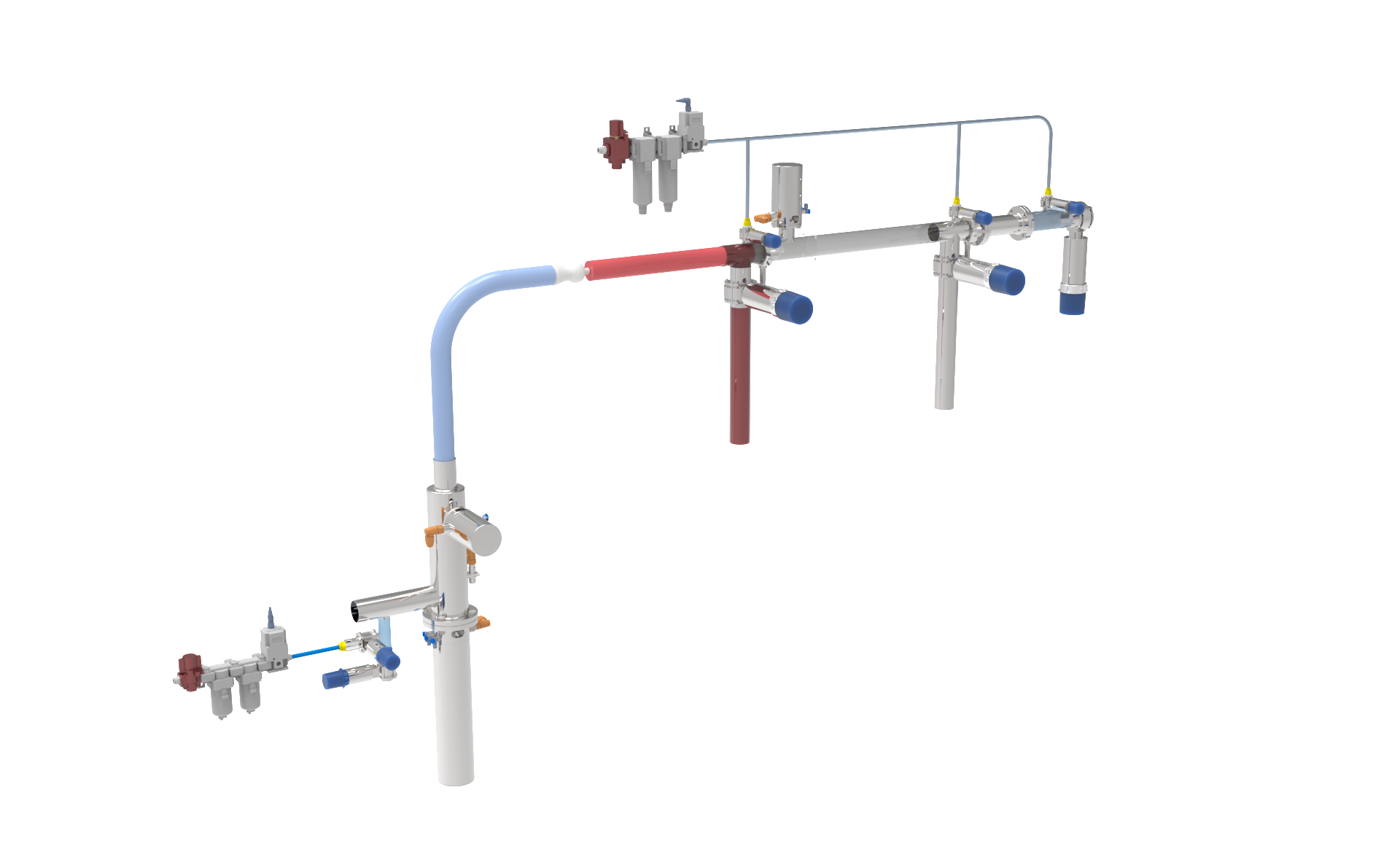
strategically positioned flexible sanitary pigging designs for contract kitchens?
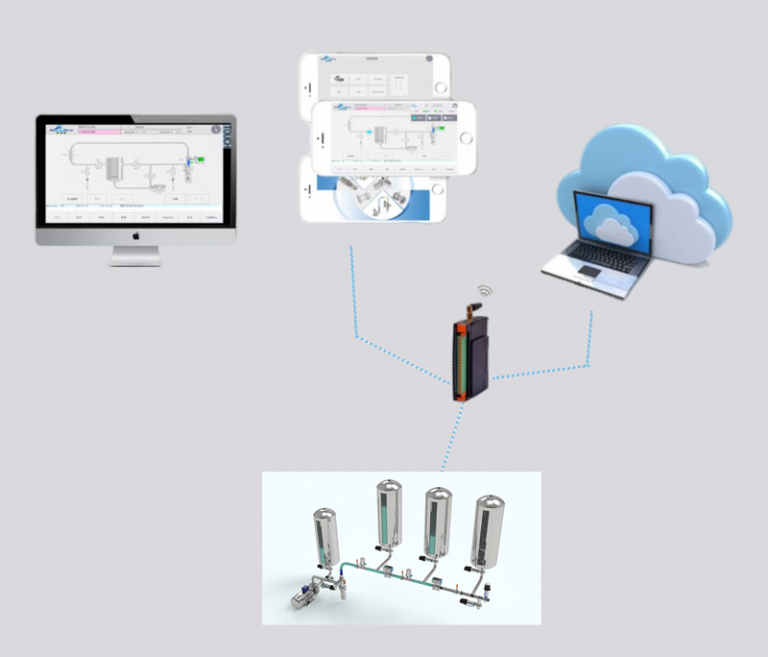
Kicking off Progressive Fluid Transfer Technologies pigging systems
Sanitation-Focused Pigging Approaches
Utilizing food-compliant cleaning devices upholds premium neatness alongside safe processing. These protocols consist of durable sanitary metals engineered to resisting strict sanitization processes while stopping germ development.
- Cutting-edge models utilize self-cleaning capabilities, boosting workflow productivity.
- Satisfaction of safety norms is fundamental for all cleaning protocol operated in food processing. Approaches are engineered to fulfill tight policies, securing the optimal production standards.
Maximizing Efficiency Gains from Pipeline Pigging
Pigging innovation for pipelines presents a effective tool for enhancing pipeline operation. Via harnessing intelligent inspection tool usage and strategic assessment cycles, field teams can reduce system breaks, enhance stream velocities, and ensure pipeline soundness. Pigging spots potential defects such as plugs or corrosion but also allows efficient repair and monitoring practices. This forward-looking channel supervision greatly lowers expenditure levels and bolsters the overall reliability of conduit architecture.
Hygienic Pigging in Pet Food Manufacturing
Pig-based cleaning methods have become fundamental components within the animal dietary supply industry. These systems improve the safe and efficient transfer of components through tubes, mitigating quality compromises. By firmly isolating different components or processing series, pigging systems support sustain the highest levels of grade and well-being in pet food production.
As well, pigging systems equip a range of benefits, including reduced downtime for sanitation and repair, improved operational performance, and minor ingredient spillage. The use of pigging systems finally augments the production of harmless, wholesome, and steady pet food.
Sanitation-Driven Pigging Frameworks in Pet Nutrition
Amid the fabrication of pet food, sustaining strict hygiene is paramount. Pigging systems play a vital role in protecting product trustworthiness and effectiveness by systematically cleaning pipelines between processing stages. A well-designed pigging system contains ingredients that diminish septic dangers, advance thorough purification techniques, and stop mixing hazards between batches.
- Integrating even sheens diminishes the potential for pathogen presence.
- Substrates that are decontaminable and deterioration-proof are essential for upholding hygiene.
- Suitable controllers avoids the regurgitation of intrusions during maintenance and ingredient conveyance.
Optimized pigging constructs also increase system productivity by shrinking downtime for sanitation. By systematically extracting residues and preventing cross-contamination, these systems help to a more consistent production process, indisputably leading to the manufacture of sanitized and superior pet food.
Pipeline Preservation and Analysis
Upholding the strength of conduits is critical for safe and high-performance transportation of substances. Pigging systems furnish a budget-friendly strategy to cleaning pipelines. A pig, also designated a pipeline toolkit, represents a technical device inserted through the pipeline to conduct various processes. Cleaning pigs agitate buildup and contaminants, while inspection pigs are supplied with tools to detect damage in the pipe walls. Regular pigging helps mitigate pipeline halt, guaranteeing safe and reliable service.
- Several types of pigs behave, each tailored for specific functions.
- Pigging operations are competent and can be conducted from afar.
- Employing a pigging program can expand the lifespan of pipelines and decrease maintenance costs.
Leading-Edge Pigging Methods for Pet Food Production
Pigging is recognized as a important strategy in the pet food industry, ensuring efficient and sanitary production.
Cutting-edge pigging technologies employ sophisticated hardware to thoroughly purify pipelines. This cuts down the risk of hazardous transfer between different pet food formulations, thereby improving product safety and quality.
Moreover, advanced pigging solutions offer a range of benefits such as: * Augmented maintenance performance * Shrunken interruption frequencies * Upgraded cleanliness protocols * Reduced reliance on hazardous cleaning chemicals
The implementation of these technologies demonstrates the pet food industry's commitment to ensuring safe and superior outputs for pet owners.
Issues and Approaches in Pigging Systems for Pet Food Production
Pigging methods are vital in the pet food production process, ensuring efficient shipment of elements and finished products. However, these systems confront several challenges. One regular problem is blockages caused by particle size variation. Combating this fault involves applying pigging strategies such as variable instruments and enhancing ingredient recipes.
Another obstacle is the exposure of contamination. Control this, strict sterilization protocols should be performed throughout the pigging system. This consists of regular sterilization of pigging equipment and deployment of strong cleaning solutions. Regular surveys are also essential to detect potential faults early on. By applying these solutions, pet food manufacturers can guarantee the efficiency and soundness of their pigging systems.
Value of Pigging Solutions in Pet Nutrition
Cleaning pig devices offer a variety of strengths for pet food manufacturers trying to enhance their production processes. These systems harness hydraulic pressure meant to propel the pig, a cleaning device, through the pipeline, precisely removing product residue and contaminants. Hence, pigging systems enable to better hygiene standards, diminishing the risk of cross-contamination and delivering a safer final product for end-users.
- Also, pigging systems can expand production efficiency by shortening downtime for cleaning and maintenance.
- Besides, they contribute to lessen waste by stopping product loss during pipeline cleaning.
- At last, pigging systems can be customized to satisfy the specific requirements of different pet food production lines.
Pigging Systems: Success Stories in Pet Food Manufacturing
Pet aliment domain is increasingly demanding efficient and sanitary procedures for supporting optimal product quality. Pigging systems have developed into a prominent solution to meet these demands, offering a sound method for cleaning and verifying pipelines within pet food plants.
Multiple case studies validate the effectiveness of implementing pigging systems in various phases of pet food production.
- Organizations like [Company A], [Company B], and [Company C] have announced significant improvements in sanitation, product quality, and overall operational effectiveness following the adoption of pigging systems.
- Rewards such as reduced downtime for cleaning, minimized cross-contamination risks, and improved monitoring of product flow have been confirmed in these case studies.
What's more, pigging systems contribute to resource reduction by improving resource utilization and minimizing waste generation.
Identifying the Right Pigging System for Your Pet Food Pipeline
In terms of safeguarding the integrity standards of your pet food pipeline, a effective pigging system is necessary. Pigging systems boost efficiency by wiping out product residue and cutting down cross-contamination between batches. Selecting the matching system depends on a variety of factors, including your output, material characteristics, and available infrastructure.
- Review the thickness of your tubes to ensure a correct pig design.
- Inspect the cohesion of your pet food products to establish the perfect pig material and speed of operation.
- Prioritize systems that offer features like automatic launching and retrieval for enhanced protection.