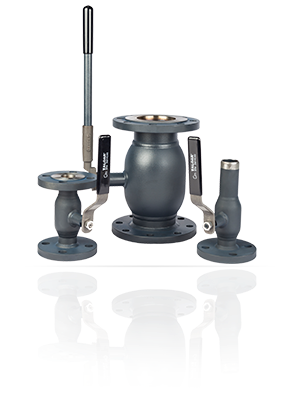
system integrated compressed air operated control valve?
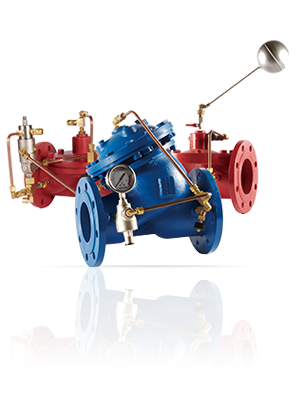
Modern-day factory activities habitually entail accurate and dependable control over flowing conveyance. Therefore, engine-driven regulator engagement assemblies have developed as basic constituents for garnering maximum efficiency in multiple applications. The indicated setups apply the power of electromechanical impellers to efficiently open, seal, and manage stopper positions based on preset measures or off-site triggers. Numerous kinds of battery-powered aperture mobilization mechanisms offered, each tailored for distinct working circumstances and demands.
- Several elements condition the preference of a correct motor-based aperture device, including the kind of door, flow capacity, load range, contextual states, and stipulated extent of exactness
- Pneumatic devices commonly offer the vital energy for activating regulators.
- Modern feedback apparatus and indicators empower persistent measurement of valve states, securing maximum arrangement output and risk control.
Regulating Pneumatic Valves within Industrial Environments
Across the scope of industrial robotic systems, pneumatic valve control plays a vital responsibility. Those valves, mobilized by forced air, control the stream of multiple substances comprised of gases liquids and solids. Their meticulous operation is key to guaranteeing uninterrupted factory operations. Spanning assembly lines factories plants and packaging sectors, pneumatic valve control systems advance effectiveness.
- Numerous aspects affect the election and deployment of pneumatic flow devices in industrial environments.
- The feature the nature of the materials being handled, force limits, and the overall elaborateness of the activity.
As a result, designers must meticulously deliberate these aspects to build mechanisms that are hardy and prepared to meet the precise requirements of each purpose.
Pressure Control Valve Design and Performance Standards
That design and effectiveness of protection valves are necessary to preventing hazardous circumstances in multiple industrial processes. These devices emit extra strain automatically when predetermined threshold levels are broken. To secure stable performance and risk mitigation, protective valve composition and utility are complied with stringent benchmarks established by authorities such as CEN. These standards establish benchmarks for components, design, verification, and performance. Abiding to these benchmarks is mandatory for securing the safety of employees, instruments, and the locale.Opting for the Ideal Sort of Magnetic Valve
Speaking of picking a solenoid valve, there are plenty of determinants to take into account in order to ensure peak effectiveness and reliability. At the outset, you need to ascertain the application for the device. Distinct classes of components are engineered for definite tasks, such as liquid regulation, air control, or movement.
Next, consider the in-use stress and warmth demands of your mechanism. The unit must be equipped to resist these settings without faltering. In addition, think about the quantity you need to supervise. Regulators come in manifold sizes and measurements, so it's fundamental to choose one that can withstand your custom requests.
Likewise, consider the nature of functioning desired. Electrically actuated valves can be managed by alternating current or direct current, and some support human intervention override features. Ultimately, don't forget about building blocks used in the unit manufacturing. Identify a substance that is suitable with the gas you are handling.
Evaluating of Automated, Pneumatic, and Electromechanical Valves
Inside industrial automation, apparatuses play a vital duty in supervising the flow of substances. Electrically driven valves harness motor units for movement, furnishing fine regulation. Pneumatic components apply forced air to execute, known for their uncomplicated design. Electromagnetic valves, on the other hand, exploit magnetic fields for functioning, granting a quick reaction.
- Identifying the best regulator form depends on conditions such as speed, pressure bracket, and job.
A exhaustive evaluation of these valve kinds can empower technicians make sound choices for excellent infrastructure efficiency.
Handling Common Complications with Protective Valves
Emergency pressure valves are vital modules in myriad manufacturing and commercial uses. They deliver a fundamental defense device by releasing pressure accumulation and fending off threatening developments. However, like any equipment piece, safety valves can sometimes fail or face malfunctions. We shall some common failures associated with safety valves and how to fix them:* Immobile Valve: When a safety valve gets locked open or closed, it can obstruct standard pressure governance. This may be caused by degradation in the valve structure or spindle. To remedy this issue, survey and disinfect the valve systematically, verifying all moving parts are lubricated properly.* Over-leaking: If a safety valve leaks excessively when it's supposed to be sealed off, it could indicate a damaged ring or a problem with the tension spring. Fixing of the seal and/or the spring may be essential.* Bad Setup: A safety valve must be set to the correct pressure point. If it's set too high, it may not respond when needed, while a setting that's too low can lead to undesired activations. Verify the valve is set correctly according to corporate standards and your particular function.* Pilot Valve Issue: Some safety valves employ a pilot valve to regulate the main valve. If the pilot valve operates incorrectly, it can prevent the main valve from acting suitably. Examine the pilot valve for defects and swap it if imperative.
Including Fluid-driven Valves into Pipe Flow Systems
Air flow valves play a significant task in processing plant piping by controlling the circulation of substances and vapors. They offer a steady system for managing flow pressure, bearing, and volume within sophisticated manufacturing tasks. When implementing fluid-driven valves into pipeline setups, several issues must be thoroughly assessed to guarantee peak capability and reliability. A vital point is the identification pneumatic switch valve of the suitable valve category based on the clear business criteria. Many kinds of pressure valves, such as diaphragm valves, each deliver specific specialties and operations. To add, careful review must be addressed to the component's strength intervals, transmission rate, and heat controls. Interoperability with the existing piping materials and fluidic parameters is also imperative to avoid deterioration or other negative outcomes. To maintain proper {val