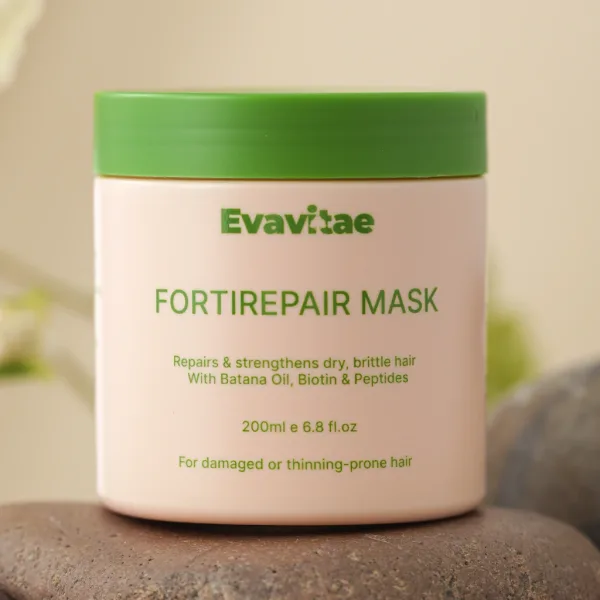
Thorough evaluations of postpartum scalp repair therapies?
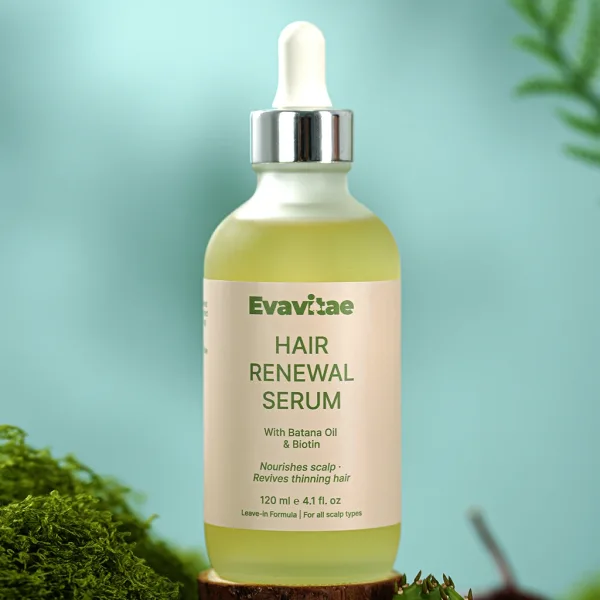
Starting off with an elaborate discussion
Postnatal Hair Loss Explained
Experiencing hair loss after giving birth is a common issue among mothers|Hair tends to grow faster due to hormonal changes during gestation|Childbirth causes hormones to decrease abruptly resulting in hair loss|Usually, hair loss after birth diminishes gradually and doesn't persist|Genetics, stress intensity, dietary shortages, and health status govern postpartum hair loss|Talking to a healthcare professional can assist in hair loss management|Clinicians develop strategies aiding in hair regeneration
Understanding Normal and Concerning Postpartum Hair Shedding
Postpartum endocrine variations result in dramatic hair shedding|The most intense shedding period happens between two and four months and thereafter lessens|Restoration of regular hair growth becomes evident within a year for many|Persistent or worsening hair loss postpartum necessitates expert examination|Indicators Hair loss treatment for women of serious hair conditions encompass patchy bald areas and scalp inflammation|
- Unexpected hair fall varying from normal postpartum timelines
- Targeted scalp zones lacking hair growth
- Scalp inflammation triggering considerable itchiness
Bringing Life Back to Hair After Pregnancy
Maternal physiological shifts during pregnancy can influence hair strands|Endocrine changes during gestation typically modify hair structure|Following birth, hair might become fragile and less dense intermittently|Fortifying hair health begins with internal nutrient supply
Adopt a nutritious diet rich in proteins and essential vitamins|Nutritious foods like fish, nuts, leafy greens, and eggs sustain hair nourishment|Consider prenatal vitamins formulated to support postpartum recovery|Adopting calming techniques combats stress-related hair shedding|Healthy sleep patterns are fundamental for hair restoration|Expect slow but progressive hair regrowth following loss|Persistence in care routines will yield positive outcomes
Solutions to Postpartum Hair Shedding
Postnatal hormonal shifts result in prevalent hair loss among mothers|Brief hair reduction usually resolves but might cause stress|Various interventions facilitate hair density restoration|Eating foods with key vitamins and minerals stimulates hair strength|Regular scalp massage increases blood circulation, benefiting hair follicles|Talk to medical professionals regarding prescriptions and topical options|Professional treatments may consist of minoxidil or finasteride formulas|Consistency combined with patience fosters hair recovery|Urgent consultation is advised if hair shedding becomes alarming
Combating Postpartum Hair Fragility
Women undergoing hair thinning postpartum often feel emotionally affected|Many solutions are effective for controlling hair loss and boosting regrowth|Balanced diets emphasizing nutritional support spur hair recovery|Effective stress reduction contributes significantly to hair retention|Employing mild cleansers enhances hair condition and prevents loss|Steering clear of constrictive hairdos prevents mechanical damage|Experts guide treatment plans for adaptive hair care management|Targeted approaches incorporate pharmaceuticals, nutrients, or therapeutic tools
Evaluating Telogen Effluvium Following Childbirth
Hair loss caused by telogen effluvium frequently appears after delivery|This condition results from many hair follicles entering the resting phase|Although concerning, telogen effluvium typically resolves naturally|Eventually, normal hair follicles cycling restarts promoting regrowth|Optimal hair growth relies on nutritious diets and adequate sleep|Reducing tension through mindfulness or relaxation aids hair restoration|Patience and self-compassion matter during postpartum hair recovery|Professional guidance is recommended for extended hair shedding
Hair Physiology During and After Pregnancy
Hair density shows marked shifts following delivery among women|Hair thinning after childbirth is an expected temporary phase|Stress from hair loss diminishes once hair growth stabilizes|Dramatic decreases in estrogen levels induce postpartum hair shedding|Higher estrogen concentration during pregnancy maintains hair growth|After childbirth, estrogen levels sharply fall leading to hair shedding|Hormones alter follicle sensitivity resulting in increased hair fall|These hormonal variations ultimately cause thinning and loss postpartum
Advice on Preventing Excessive Hair Loss Post-Delivery
Losing hair during postpartum period is frequently reported by mothers|Following routines helps control hair fall and promotes health|Maintain nutrition focused on essential vitamins and minerals|Practice calming exercises that alleviate psychological tension|Prioritize restful nights to facilitate hair follicle regeneration|Use mild shampoos and conditioners to avoid harsh damage|Opt for loose styles that reduce tension on hair strands|If hair loss causes concern, seek medical advice promptly
Recommended Practices for Postnatal Hair Care
Hair characteristics often alter following childbirth hormones|These alterations are typical and perfectly expected for new mothers|Maintaining hair health involves careful attention and proper products|Vital advice centers on eating balanced, nourishing foods|Prioritizing adequate sleep supports hair regrowth|Managing stress impacts hair condition positively|Being gentle with hair avoids damage and promotes strength|Using specialized shampoos designed for postpartum hair|Understanding that hair recovery is a slow process
Strengthening Self-Image Following Hair Loss After Delivery
Carrying a child involves changes including hair shedding|Hormonal fluctuations cause hair reduction in numerous new mothers|Hair thinning might challenge self-esteem despite being common|Stay patient and kind to yourself during this period|Focus on healthy lifestyle choices like good nutrition|Seek professional advice for tailored hair treatments|Consider treatment modalities like oral vitamins and therapies|Reach out to communities for encouragement and shared experiences|With patience and care, hair health and confidence will rebound
At-Home Strategies for Managing Hair Loss Post-Childbirth
Many women encounter hair fall during the postnatal period|Several natural treatments can help reduce and manage hair loss|Boosting nutrients like protein, iron, and biotin promotes growth|Using gentle scalp massages encourages follicle nourishment|Light fingertip rubs or massagers effectively stimulate scalp|Natural oils including lavender and tea tree support scalp health|Always check with your healthcare provider before starting new treatments}