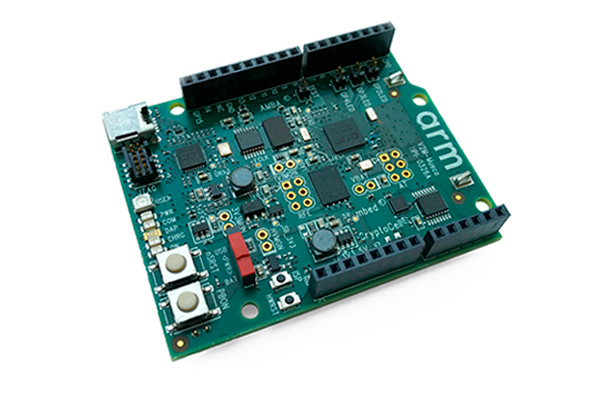
Wondering which architecture leads the market Does best x86 SBC achieve higher throughput in processor instruction sets than arm
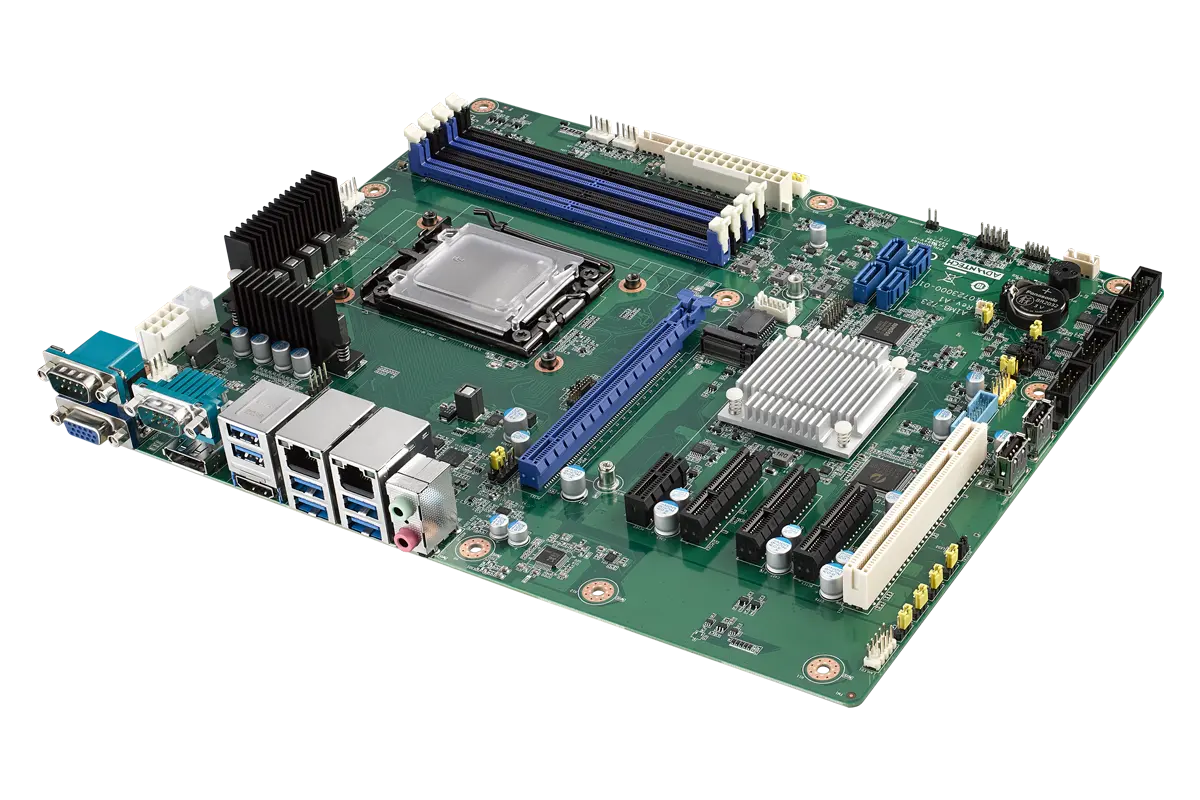
For decades, the computing landscape has been led by two chief designs: the ARM and x86 models. Neither framework mirrors mutual strengths, leading to a heated rivalry over market dominance. While x86, the veteran of the industry, has long held the crown in desktop and server markets, ARM's development has been significantly striking.
ARM's efficiency advantage, coupled with its malleability, has made it a top choice for nomadic devices and ingrained systems. However, ARM is now targeting to conquer new zones, including ultrabooks and large-scale data hubs. This pursuit has stirred the veteran x86 entities, who are retaliating via innovative methods to maintain dominance.
- Primary discrepancies in frameworks shape hardware behavior, power consumption, and overall system design.
- The emerging standards of purchasers are driving the demand for more efficient computing solutions.
Finally, the struggle of ARM and x86 unfolds as a lively and mutable environment, with both platforms continuously evolving to meet the demands of a rapidly changing world. The outcome of this conflict remains to be seen, but one thing is certain: the future of computing will be shaped by the innovations and advancements of these two titans.
Choosing ARM or x86 CPU for Maximum Output
Within the continuously transforming technology field, selecting the superior processing structure can be a challenging endeavor. Two titans dominate the market: ARM and x86. Both offer compelling advantages, but their performance traits diverge significantly. This comprehensive analysis delves into the nitty-gritty of each architecture, empowering you to make an informed decision.
- Capacity
- Energy Demand
- Value
Testing outcomes will be scrutinized, real-world conditions, and the benefits of each architecture, helping you identify which platform best suits your demands.
Causes of ARM's Popularity Over x86 in Embedded Solutions
ARM architectures prevail across integrated circuitry environments. This strength follows diverse vital contributors. First, ARM's configuration excels in energy conservation, making it ideal for devices with limited power budgets. Second, the ARM ecosystem offers a massive and lively consortium of developers and hardware partners, providing ample support and innovation. Finally, ARM's broad licensing policy promotes innovation for exclusive uses, leading to a wide range of options. These factors have converged in establishing ARM as favored for countless embedded devices, from smartphones to smartwatches and even industrial technology.
Premier x86 SBC Models for Intense Workloads
Picking the optimal x86 single board system is complex, especially when you're a proficient user. You need a device that can process substantial data, offer reliable features, and provide a platform for sophisticated processes.
- Various considerations shape the perfect SBC match, including processing power, RAM capacity, storage options, connectivity features, and community support.
- For true power users and professionals, a board with a efficient computing unit like Intel i5 or AMD Ryzen 5 is essential.
- Together with enough RAM and rapid data options requirement for smooth and efficient operation.
Dismiss SBCs lacking advanced capabilities; invest in a platform that can wholly back your experiments.
In-Depth Survey of x86 Single Board Technology
Studying inexpensive x86 single board systems provides great opportunities. These miniature platforms offer a wealth of possibilities for hobbyists. From building automated residences to scripting platforms, x86 SBCs provide a multi-purpose, low-cost platform for research. This guide will equip you to understand the expanding x86 SBC market, exposing possibilities of these clever instruments.
- Review genesis and effect of x86 SBCs on electronic revolution.
- Contrast widely used x86 SBC platforms by performance and application demographics.
- Grasp fundamental devices constituting x86 SBC platforms.
- Examine programming interfaces and system software compatible with x86 SBC hardware.
- Expose advanced executions of x86 SBCs for various professional fields.
Growing Deployment of ARM Systems in Desktop Environments
While generally famous for nomadic device authority, ARM architecture is steadily making inroads inside personal computer environments. Several factors contribute to this direction, including the increasing demand for energy-efficient computing and the growing popularity of cloud-based applications. Enterprises like Apple employ ARM CPUs in mobile PCs, demonstrating the potential for high productivity. This trend is further fueled by the development of new architectures specifically tailored for desktop workloads. As these innovations mature and become more widely available, we can expect to see ARM's presence enhance considerably during upcoming durations inside office device markets.
Determining Suitability of x86 versus ARM Architectures
In the process of buying a computer, two leading processing frameworks emerge: x86 and ARM. Both offer distinct features, making the decision a matter of fitting your needs with the right platform.
Enduring x86 system enjoys recognition for strong capabilities with a broad software base It dominates in desktops, laptops, and workstations, particularly for demanding tasks like gaming or video processing. ARM, on the other hand, underscores energy efficiency and a compact design. This enables it ideal for mobile devices, embedded systems, and increasingly, online service centers.
- Consider your primary use case: Are you a player? Do you need raw power or smart energy consumption?
- Study software functioning across architectures. Not all applications are available on both platforms.
- Account for pricing and device access depending on CPU style.
Small-sized yet High-Performing ARM Single Board Units
SBC environment exploded recently, dominated by ARM solutions for capability and low consumption. These compact instruments pack a surprising punch, offering incredible capabilities within a small footprint. For hobbyists, makers, and even professionals, ARM-based SBCs provide a flexible platform for everything from learning about electronics to building fully functional constructs. Whether you're looking for a budget-friendly option or a high-performance powerhouse, there's an ARM-based SBC out there to meet your needs.
- Investigate notable participants throughout this prosperous market!
Evaluating ARM against x86 Performance Results
Profiling ARM alongside experienced x86 in benchmarks displays thought-provoking insights. While x86 has traditionally dominated in raw processing power, particularly for resource-intensive tasks, ARM units gradually reduce disparities, especially in areas like mobile performance and energy efficiency. The recent surge in popularity of ARM-based central units deployed for handheld and desk-bound devices further fuels this struggle. It's important to note that benchmark results can be altered with different influences, including the specific form checked, workload challenge, and the running interface. Therefore, it's crucial to interpret benchmarks in context and not solely rely on raw numbers.
Is ARM Replacing x86 as the Standard Architecture
The technological field keeps evolving, and one of the most fascinating shifts observed include ARM's ascendancy. While x86 has long influenced the market, ARM's operational thrift gains accelerated popularity. This has led to considerations that ARM potentially supersede x86 as the standard architecture.
- Several factors are contributing to this shift: ARM's low power consumption appeals especially in handheld gadgets, notebooks, and server environments.
- Furthermore ARM's open licensing model has fueled innovation within the ecosystem, constructing expansive collections of ARM-built chipsets.
Although ARM rises, x86 keeps a powerful presence. Principal companies commit sizeable funding for x86 innovation, and legacy systems will remain operational for the foreseeable future.
In summary, it is impossible to confirm if ARM will absolutely replace x86. The computational future involves collaboration between ARM and x86, with each playing its part in different market segments.
Outlook on ARM and x86 Coalition in Computing
The landscape of computing is rapidly evolving. Once distinct architectures, ARM and x86 are now on a collision course, converging to reshape the future of processing power. This convergence offers promising breakthroughs for developers and consumers alike. ARM's energy efficiency and compact design have made it the dominant force in mobile devices, while x86 has long reigned supreme in desktops and servers. However, convergence is intensifying, driven by factors such as the increasing demand for mobile computing and the rise of cloud services.
- This merging is expected to produce broader device categories, powered by hybrid architectures that employ benefits from ARM alongside x86. This could result in more powerful mobile devices with extended battery life and more efficient servers.
- Also creators benefit from increased system varieties, enabling them to create innovative applications that advance technological horizons. The future of computing promises remarkable outcomes, with ARM and x86 convergence playing a pivotal role in shaping the next generation of technology.